The Weight Is Gone, But So Is Some of Your Muscle

For many people, the journey with a GLP1 medication brings a welcome change in weight. The number on the scale moves down, clothes fit more loosely, and daily life feels lighter. Yet beneath that progress sits a quieter concern that deserves attention. A meaningful share of the weight lost on these medications can be muscle rather than fat, and losing muscle undercuts everything you are trying to achieve.
Muscle is the tissue that keeps your metabolism strong, protects your joints, and gives you the strength to stay active and independent. When it declines faster than it should, you can end up lighter on the scale but weaker in daily life, more prone to injury, and more likely to regain the weight later once the medication changes. Understanding this trade off is the first step to protecting what matters.
Why Muscle Is Lost During Weight Loss
Rapid weight loss almost always draws on both fat and muscle, and some muscle loss is a normal part of any calorie deficit. The body treats muscle as a source of protein it can tap when energy runs short, so when you eat far less than you need, especially without training as a protective signal, muscle begins to shrink.
Weight loss medications make this harder because they often suppress appetite sharply, which can mean eating far fewer calories than you previously did without much planning. When protein intake drops and no resistance training tells the body to hold on to its muscle, a larger share of what you lose becomes precious tissue. That is why deliberate action, not wishful thinking, is required to protect it.
Rebuilding Safely After the Rapid Phase
The good news is that muscle you have lost can be rebuilt, and you do not need to reverse your weight progress to do it. The approach is simple and sustainable. Give your body a reason to hold muscle by training with resistance, give it the building blocks by eating enough protein, and manage your overall energy so you are losing fat rather than muscle.
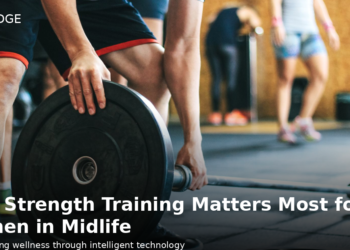
Begin gently, especially if your strength has dropped, and progress slowly. Two or three resistance sessions a week built around squats, deadlifts, rows, push ups, and carries give your whole body consistent signal to rebuild. As your strength returns, the scale becomes less important than how capable you feel.
Nutrition That Puts Muscle First
Protein is the most important nutrient when the goal is keeping muscle while losing weight. Aim to include a solid serving at each meal so your body always has the raw materials to repair and rebuild. Even while your appetite is reduced, small, regular protein portions spread across the day are far more protective than a single large meal.
Do not neglect the other pieces. Enough fiber keeps you satisfied, healthy fats support your hormones, and staying hydrated helps your body function well. The guiding idea is quality over restriction, focusing on nutrient dense foods so that every calorie you eat does useful work rather than arriving as empty fuel.
A Simple Routine You Can Actually Keep
The best program is the one you can repeat week after week, so keep it realistic. Start with a short full body routine, perhaps three exercises per session, and add a little weight or an extra rep each week. Even twenty to thirty minutes a session, two or three times weekly, is enough to keep muscle when it is paired with good nutrition.
If a full session feels like too much on some days, a brief version still counts. Consistency across months, not intensity in a single workout, is what tells your body that its muscle is valuable and worth keeping.
Tracking Progress Beyond the Scale
Because the scale cannot tell you whether your loss is fat or muscle, track a few more honest signals. Strength is the clearest. If your push ups and squats improve or hold steady while your weight drops, you are protecting muscle. Your energy through the day, your ability to recover, and how your clothes fit all add useful context.
Body composition tools can help if you have access to them, but you do not need a fancy device. A simple log of your lifts and a note on how you feel is enough to see the trend. Shift your focus from chasing a lower number to building a stronger, more capable body.
Working With the Medication, Not Against It
These medications are a tool, not the whole answer. Their most powerful effect is that they make eating less easier, and that freedom should be used to eat better rather than simply eat less. Lean on the appetite control to make nutritious choices easier, while using training and protein to shape what your body is made of.
Talk openly with your healthcare team about your goals. They can help you plan nutrition, review your progress, and ensure the balance between losing fat and keeping muscle stays healthy throughout your journey.
Staying Consistent When Motivation Dips
Motivation naturally fluctuates, especially across a long journey. The way to stay on track is to make the essentials as simple and automatic as possible. Schedule your training like any other appointment, keep easy protein options on hand, and set a modest goal, such as three sessions and a protein target, that you can hit even on a difficult week.
When you miss a session or have an off day, treat it as a detour rather than a failure. Pick up at the next scheduled slot and keep moving. The people who protect and rebuild muscle are not the most relentless; they are the ones who quietly keep showing up.
Practical Habits for Everyday Success
Beyond the big ideas, a few small habits make a real difference. Keep a container of ready protein in your fridge so a good choice is never far away. Walk for a few minutes after most meals to steady your blood sugar and add gentle activity. Keep a set of resistance bands handy so you can do a short session even on a busy day.
Allow yourself some flexibility and enjoyment in what you eat. A plan that is too strict rarely lasts. The combination of steady training, dependable protein, and occasional treats you genuinely enjoy is the one most people can sustain, and sustainability is what delivers results over the long term.
The Long Game Is the Whole Point
Keeping muscle while you lose weight is not about vanity or a workout habit for its own sake. It is about preserving the strength that keeps you active, independent, and thriving in the years ahead. Every set you lift and every focused meal is an investment in a body that can do the things you love for a long time.
Take the win of a lower number, enjoy the progress, and pair it with the work that makes that progress lasting. Rebuilding strength after weight loss is entirely possible, and it is one of the most valuable things you can do for yourself. Protect the muscle that powers your life, and the weight you lose will be fat you truly wanted to lose.
A Final Word of Encouragement
If any of this feels overwhelming, remember that you do not need to be perfect. A single focused training session or a single well chosen meal is a step in the right direction, and several steps begin to add up. The people who make lasting progress are not the ones who never stumble; they are the ones who keep returning to the plan after each setback.
You have already taken a meaningful step by paying attention to your health. Pair that momentum with steady training, dependable nutrition, and a little patience, and you will protect the strength that carries you through every stage of life. The weight loss is worth celebrating, and keeping your muscle makes it something you can build on for the long term.