The Real Reason Manual Calorie Counting Always Fails
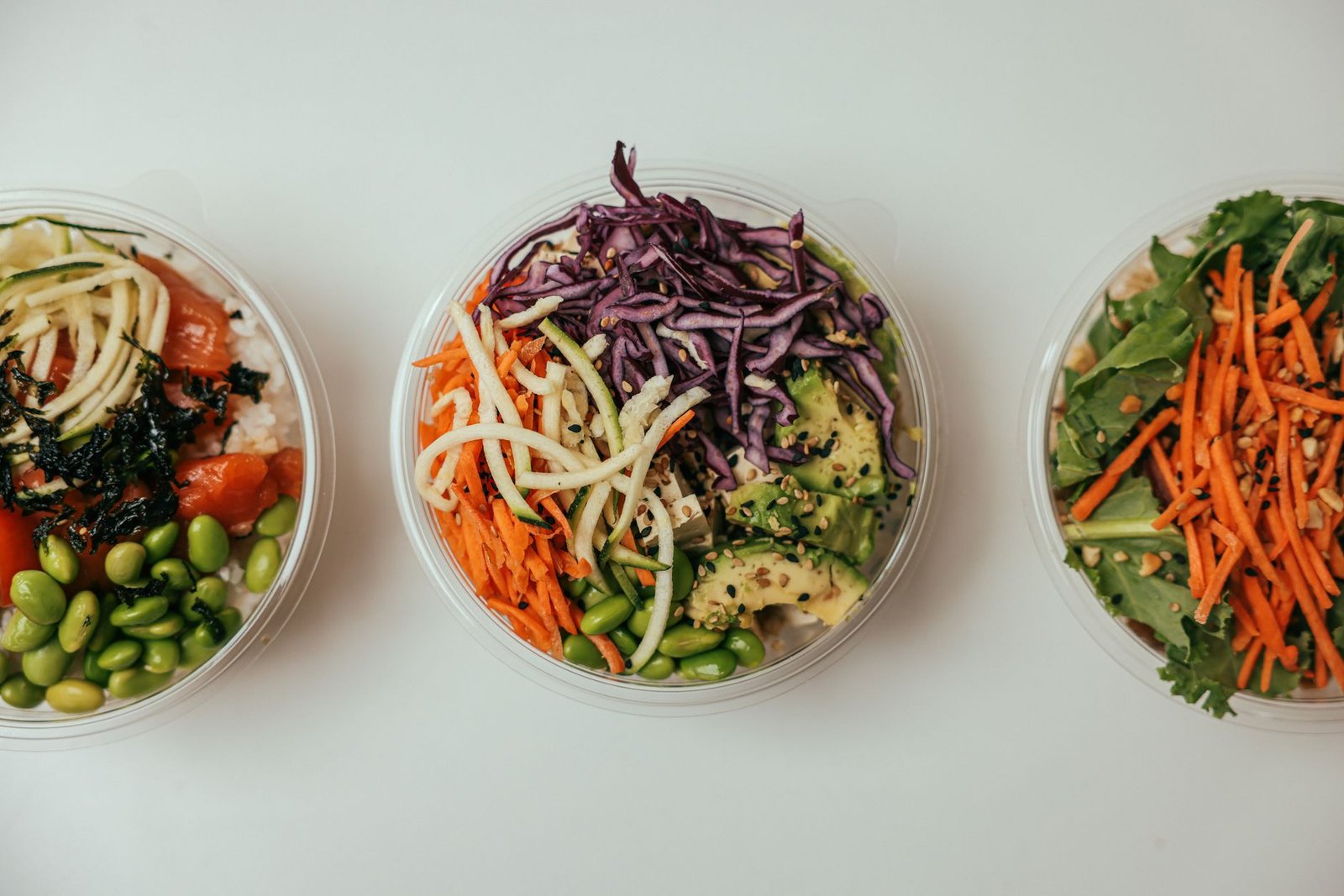
If you have ever tried to count calories the traditional way, you already know the problem. You open an app, search a database, weigh a portion, convert it to grams, and type in each ingredient. A single home cooked meal can take five to ten minutes of careful work. Three meals a day adds up to a serious chunk of time that almost nobody has the patience to sustain. Within a few weeks, the tracking habit quietly dies and you are back to guessing.
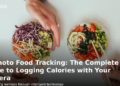
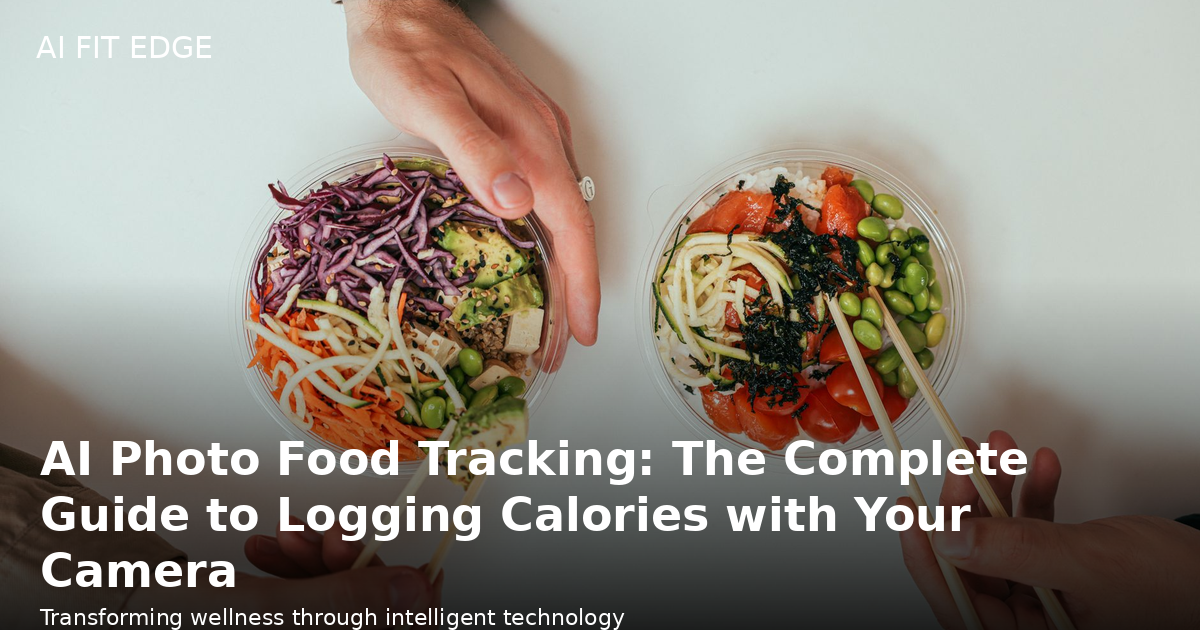
That is not a personal failure. It is a design failure. Manual logging asks your brain to do repetitive, boring, error prone work at the exact moments when you are tired, hungry, and distracted. The barrier to entry is simply too high. This is why AI photo logging has become one of the most useful tools in the fitness space. You snap one picture of your plate, the software reads it in seconds, and you get a calorie and macro estimate without ever touching a food database.
This guide explains how photo based AI food tracking actually works, how accurate it is, how to shoot your meals so the software reads them correctly, which foods trip it up, and how to combine it with workout tracking for a complete picture. You will walk away able to lose the tedious logging habit and still stay on top of your nutrition.
How AI Photo Food Tracking Works Under the Hood
Understanding the technology helps you use it well. Modern photo based tracking is not magic. It relies on a few overlapping capabilities that have matured quickly in recent years.
- Computer vision identifies the foods on your plate. The model has been trained on enormous sets of food photos, so it can tell a grilled chicken breast from a salmon fillet, or scrambled eggs from oatmeal.
- Portion estimation guesses serving size. By looking at the plate, the utensil, and the relative area each food covers, the software approximates how much of each food is present.
- Nutrition lookup maps the identified foods and portions to calorie and macro values for protein, carbs, and fat.
- Feedback loops let you correct mistakes. When you edit an entry, the system learns your preferences and portions over time, which usually improves accuracy on future meals.
Think of it as a very capable assistant that looks at the same plate you are looking at and gives you a practical estimate in seconds. The whole point is speed. A tool that takes twenty seconds beats a tool that takes ten minutes, because you will actually use the fast one every single day.
How Accurate Is Photo Logging Really
It is fair to ask whether a photo can match the precision of a kitchen scale. The honest answer is that it does not need to, because neither method is truly precise to begin with. Research into eating behavior has consistently shown that people underestimate their portions when they log manually. You eyeball a serving of pasta, assume it is one cup, and log it that way, but the actual serving on your plate is closer to one and a half cups.
Photo based systems land in a similar accuracy band for everyday meals. The estimate you get is typically close enough for weight management, where the goal is consistency and a reasonable calorie range rather than laboratory grade precision. The real edge of photo logging is not perfect accuracy. It is that the estimate arrives instantly, which dramatically increases how often you log. A slightly approximate number you actually record every day beats an exact number you record for a week and then abandon.
That said, accuracy depends heavily on how you take the photo. A clear, well lit, single serving plate gets a strong estimate. A blurry shot of a bowl of mixed stew taken in a dim restaurant gets a worse one. The next section covers how to make the tool work as well as possible.
How to Photograph Your Food for the Best Results
You do not need professional photography skills to get good reads. You just need to follow a few simple rules that give the computer vision model an easy, unambiguous view.
Lighting Comes First
- Use natural daylight whenever you can. A meal near a window photographs far better than the same meal under a dim ceiling bulb.
- Aim for bright, even light with no harsh shadows across the plate.
- Avoid dim restaurant lighting and strong backlighting, where the plate is dark and the background is bright.
- Colored ambient lighting from neon signs or party lights can distort how foods appear to the camera.
Composition Matters More Than You Think
- Spread foods out so each item is visible rather than piled into one mound.
- Remove packaging, lids, and wrappers before you shoot, so the food itself is what the camera sees.
- Include everything in a single frame. Do not crop a portion of the meal out of the shot.
- Photograph from directly above or at a gentle 45 degree angle. Extreme low angles confuse the portion estimate.
- Separate different foods slightly. Plated meals read better than a bowl where every ingredient is mixed together.
- A plain plate in a contrasting color helps the model separate food from background.
Stable Hands, Full View
Hold the phone steady and give the camera a clean, unobstructed view. Blurry photos and cut off meals force the software to guess, and guessing lowers accuracy. If you are unsure whether a meal will read well, take a second photo. Many apps also let you correct a misidentified item before you save the entry, so a quick glance and a tap can fix the occasional mistake. That adjustment habit is what separates good loggers from frustrated ones.
Which Foods the Software Reads Well and Which It Struggles With
Knowing the limits of AI food recognition saves you from frustration. Some foods are nearly automatic, while others need a small assist from you.
Foods That Usually Read Great
- Fruits and vegetables with clear shapes and colors
- Grilled or roasted meats and fish with visible texture
- Salads where individual ingredients are still distinct
- Common recognizable dishes like pizza, burgers, and sandwiches
- Breakfast plates with eggs, toast, and cereal
Foods That May Need a Little Help
- Mixed dishes with hidden ingredients, like lasagna or casseroles
- Wrapped and covered foods such as burritos and stuffed pastries
- Very small portions that are easy to miss
- Unusual or regional dishes the model has seen less often
For the tricky foods, use small workarounds. Open a burrito so its contents are visible before you shoot it. For layered dishes, take multiple photos from different angles. If a sauce or condiment is hiding the calories, add that item manually as a quick extra entry. None of this takes more than a few seconds, and it keeps your log accurate without adding drudgery.
Turning Photo Logging Into a Daily Nutrition Habit
Tracking one meal is easy. The real value appears when the entries compound into a clear daily and weekly view. Photo based apps usually roll your meals up automatically, so you can see total calories, macro balance, and your progress toward your goals without doing any arithmetic.
Set Realistic Targets First
Before you start photographing meals, decide what you are actually aiming for. Are you trying to lose fat, hold your weight steady, or gain muscle? Your goal determines your daily calorie range and protein target. A good app or a simple online calculator can give you a starting number based on your weight, height, activity level, and goal. Keep in mind the calculator is a starting point, not gospel. Track for a week and adjust based on how your weight actually moves. If you are steadily dropping half a percent of body weight each week while eating at a given range, that range is working.
Log Every Meal, Even the Imperfect Ones
Consistency matters more than perfection. Research on tracking behavior consistently finds that people who log more often see better weight management outcomes. Do not skip logging a takeout meal because you cannot identify every ingredient. Shoot it, accept the estimate, and move on. The trend over weeks is what guides your choices, and a rough log beats a missing log.
Use Weekly Patterns, Not Daily Panic
Day to day calorie numbers bounce around for reasons unrelated to your effort. Water weight, meal timing, and measurement noise all create noise. What matters is the weekly average and the direction of your weight trend. Most photo apps show you average daily calories and consistency over time. Watch those broad patterns instead of reacting to a single heavy meal. This is also where the habit pays off, because an honest weekly view shows you exactly which days and which habits push you off plan.
Let Workout Data Complete the Picture
Nutrition and training are two halves of the same system. When your food log and workout log live in the same place, you can see net calorie balance, whether you hit your protein target on a lifting day, and whether a hard training week is leaving you underfed. Photo logging shines here because it removes the friction that used to stop people from recording food on active days. The faster the log, the more likely you capture a full week of data, and a full week of data is what makes meaningful adjustments possible.
Common Mistakes That Sabotage Photo Logging
Even a great tool fails when used poorly. Watch for these recurring errors.
- Photographing in dim or mixed lighting and expecting a clean read. Set up your shot near light instead.
- Stacking or mixing foods so the model cannot separate items. Spread them out.
- Forgetting to correct obvious misidentifications. A quick edit keeps your weekly averages honest.
- Skipping the trickier meals entirely, which biases your log toward easy dinners and hides the real calorie load.
- Obsessing over single day totals. Judge your trend over one to two weeks, not one dinner.
- Rewarding yourself with an untracked eat when the scale stalls, instead of using the trend data to adjust portion sizes.
Avoid these and the tool works as intended, giving you a fast, honest picture of your intake that used to take half an hour of tedious logging.
The Honest Bottom Line on AI Photo Tracking
AI photo logging is not a magic bullet. It will not weigh your food for you, and it will occasionally misidentify a dish. But it does solve the single biggest obstacle to successful nutrition tracking, which is the sheer time and effort required to log every meal. A method you can actually sustain for months beats a perfect method you abandon in three weeks.
Pair photo based food tracking with a workout log in the same app and you have a complete, low friction picture of your energy balance. The photo removes the friction from eating, the automatic rep counting removes the friction from training, and together they give you the data to make steady, sustainable progress. That is the real promise of AI in fitness. Not replacing your judgment, but removing the busywork so your judgment has something reliable to work with.