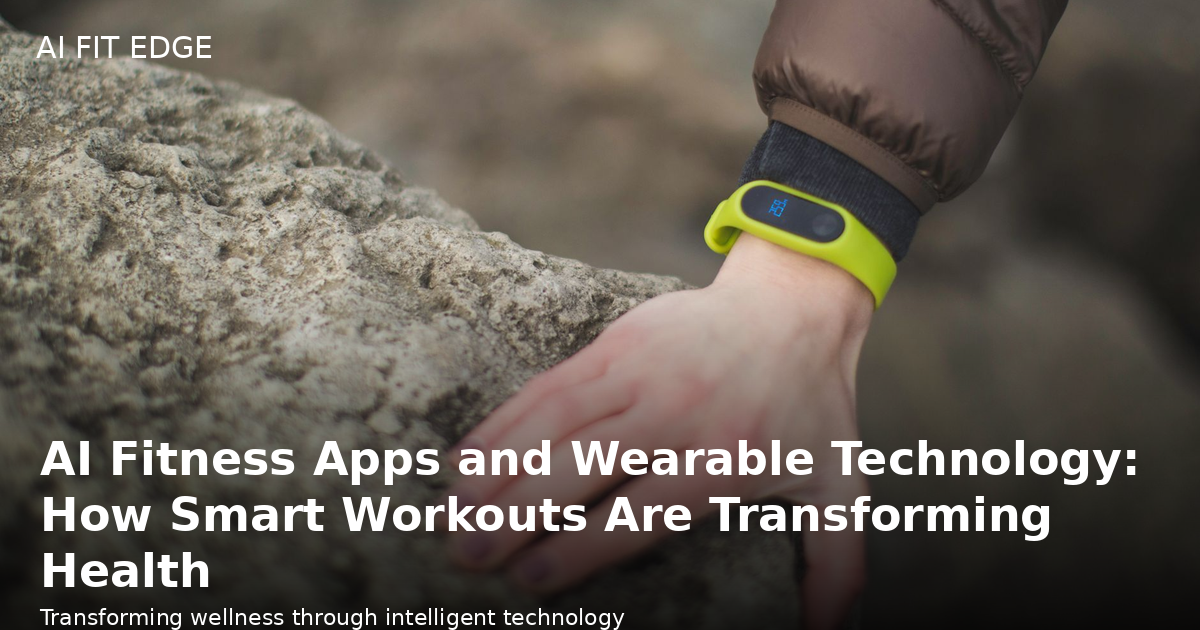
The Future of Fitness: How AI Is Transforming Workouts and Health Management
Artificial intelligence is quietly reshaping the way people train, recover, and understand their own bodies. What once seemed like a distant or gimmicky idea, a program that adapts to you as you move, is now woven into the fitness apps and devices that millions use every day. This transformation is not just about fancier gadgets, it is about making personal training, nutrition, and health insight available to far more people than ever before.
The most important shift is that fitness technology is becoming genuinely personal. Instead of giving everyone the same generic advice, modern systems learn from your own data, your schedule, your progress, and your habits, and respond accordingly. That personalization is what separates today’s tools from the static programs of the past, and it is changing what people can achieve.
Workouts That Adapt to You
One of the clearest examples of AI in action is the adaptable workout. A modern app takes your goals, available equipment, and time, then builds a routine around them. As you complete sessions, it adjusts the difficulty, introduces new movements, and refines the plan based on how you are improving, so you are always working at a level that challenges you without overwhelming you.
This adaptability removes guesswork and decision fatigue. You no longer need to figure out which exercises to do or how heavy to go, the program handles it and adjusts as you progress. That consistency is powerful, because the people who stick with a plan, guided by a system that meets them where they are, are the ones who see the real results.
Real Time Form and Technique Guidance
Perhaps the most striking development is the ability of a phone camera to coach your movement in real time. Using computer vision, apps can watch your squat, recognize when your back rounds, count your repetitions, and let you know when your form starts to drift. This brings the watching eye of a trainer to anyone with a smartphone, right in their own home.
This guidance is especially valuable for people training alone, because it helps prevent the small errors that lead to injury and reduces the effectiveness of exercises. Rather than guess, you get immediate, objective feedback that improves the quality of every repetition. For many, that turns a solo workout into a far safer and more effective experience.
Smarter Recovery and Readiness
AI is also changing how we think about recovery. Wearables now estimate your readiness from a combination of sleep, heart rate, activity, and recovery signals, telling you whether to push hard or take it easy on a given day. This shifts training from a fixed schedule to one that works with your body’s actual state, reducing burnout and the risk of overtraining.
The insight is deeply practical. On days when your readiness is high, you can train with confidence and intensity. When your recovery is low, the system suggests rest or an easy session, helping you protect your health. Training in tune with your body in this way leads to steadier progress and fewer setbacks over the long term.
Nutrition That Meets Your Needs
Intelligent tools are improving nutrition planning as well. Rather than prescribing a one size fits all diet, modern apps help you track what you eat, analyze your protein and calorie intake, and adapt suggestions to your goals and training. Some even use your phone camera to estimate the contents of a meal, making logging faster and more accurate than ever.
The goal is not a rigid, restrictive plan but a flexible way to understand your eating and make it support your training. When nutrition guidance is personalized and practical, it is far easier to follow. This integration between what you eat and how you train is one of the most valuable changes AI has brought to health management.
Overcoming Common Obstacles With Intelligent Help
AI tools are especially good at addressing the everyday obstacles that derail people’s fitness. When you are short on time for a full workout, a smart app offers a shorter session matched to your available minutes, keeping your habit alive on hard days. When motivation dips, adaptive programs keep things varied and celebrate your progress in ways that make you want to return.
They also help with the practical sides of consistency. Reminders fit training into your schedule, progress tracking makes your improvements visible, and gentle adjustments stop a missed session from becoming an abandoned routine. By removing these small frictions, intelligent tools make it more likely that you will keep going, which is ultimately what determines whether anyone reaches their goals.
Understanding Your Body Through Data
Across all these features runs a common thread, a much deeper understanding of your own body. By collecting and analyzing your data over time, AI tools reveal patterns you would never notice on your own, such as how your sleep affects your performance, how your meals influence your energy, or how your training volume relates to your recovery. This insight empowers you to make more informed decisions.
It also fosters a stronger sense of ownership over your health. When you can see your progress, understand what works, and adjust your approach with confidence, you feel more in control. That sense of agency is itself motivating, and it encourages the kind of sustained effort that leads to lasting change.
Privacy, Trust, and Responsible Use
With so much personal information flowing into these systems, privacy and trust become essential. It is important to choose tools from developers who treat your data responsibly, and to understand what is collected, how it is stored, and who can access it. Many sensitive features can be handled on your own device, which offers a strong layer of protection.
Responsible use also means keeping perspective. These tools are powerful assistants, but they should support your judgment rather than replace it. If something feels wrong, or if you have a health concern, professional medical advice should always come first. The healthiest relationship with AI is one of helpful support tempered by your own good sense.
Taking the First Step Today
You do not need to overhaul your life to benefit from AI fitness tools. Begin with a single small change, perhaps starting one adaptive workout a week or wearing a device to learn about your sleep, and let it fit naturally into your routine. As you become comfortable and see how the feedback helps, you can build from that first step.
The technology is designed to grow with you, so start simple and expand as your confidence increases. Every small, consistent action moves you closer to your goals, and intelligent tools are there to make those actions easier and more effective. The best time to begin is now, with one tool, one goal, and one step forward.
Making AI Work for Your Goals
The key to benefiting from this technology is to let it serve your goals rather than chasing every feature. Choose a tool that fits how you like to train, use it consistently, and focus on the information that actually helps you improve. Whether that means smarter workouts, better recovery, or clearer nutrition, the best results come from steady, thoughtful use.
Start with one meaningful improvement, such as following an adaptive program or tracking your readiness, and build from there. As you see how the technology supports your habits, you can expand its role in your routine. The transformation is real, and it is designed to make serious, effective training more accessible to everyone.
The Bottom Line
Artificial intelligence is transforming fitness by making it more personal, more informed, and more accessible. From workouts that adapt to you and real time form feedback, to smarter recovery, nutrition, and health insight, these tools put capable coaching into more hands than ever before.
Embracing them with a clear sense of what you want and a responsible approach to your data lets you get the most from the revolution. Powered by intelligent, personal guidance, the future of fitness is not about following a generic plan but about working with a system that understands you, adapts to you, and helps you become your strongest, healthiest self.