Home strength training used to force a simple choice: fill a spare room with iron plates and a rack, or pay for a gym membership and commute to it. A third option has quietly moved into living rooms over the past few years. Digital resistance machines replace physical plates with motors and software, folding a full cable gym into a compact unit that mounts to a wall and promises serious results without the clutter.
If you have seen these smart machines in ads or at a friend’s place, you probably asked the same question this guide answers: can motorized resistance really build muscle as well as a barbell, or is it just an expensive gadget? The short version is that it is a legitimate training tool with real strengths and real limits. The longer version is below, including how the technology works, how it feels compared with free weights, which AI features matter, who should buy one, and how to train on one properly.
What Is Digital Resistance Training
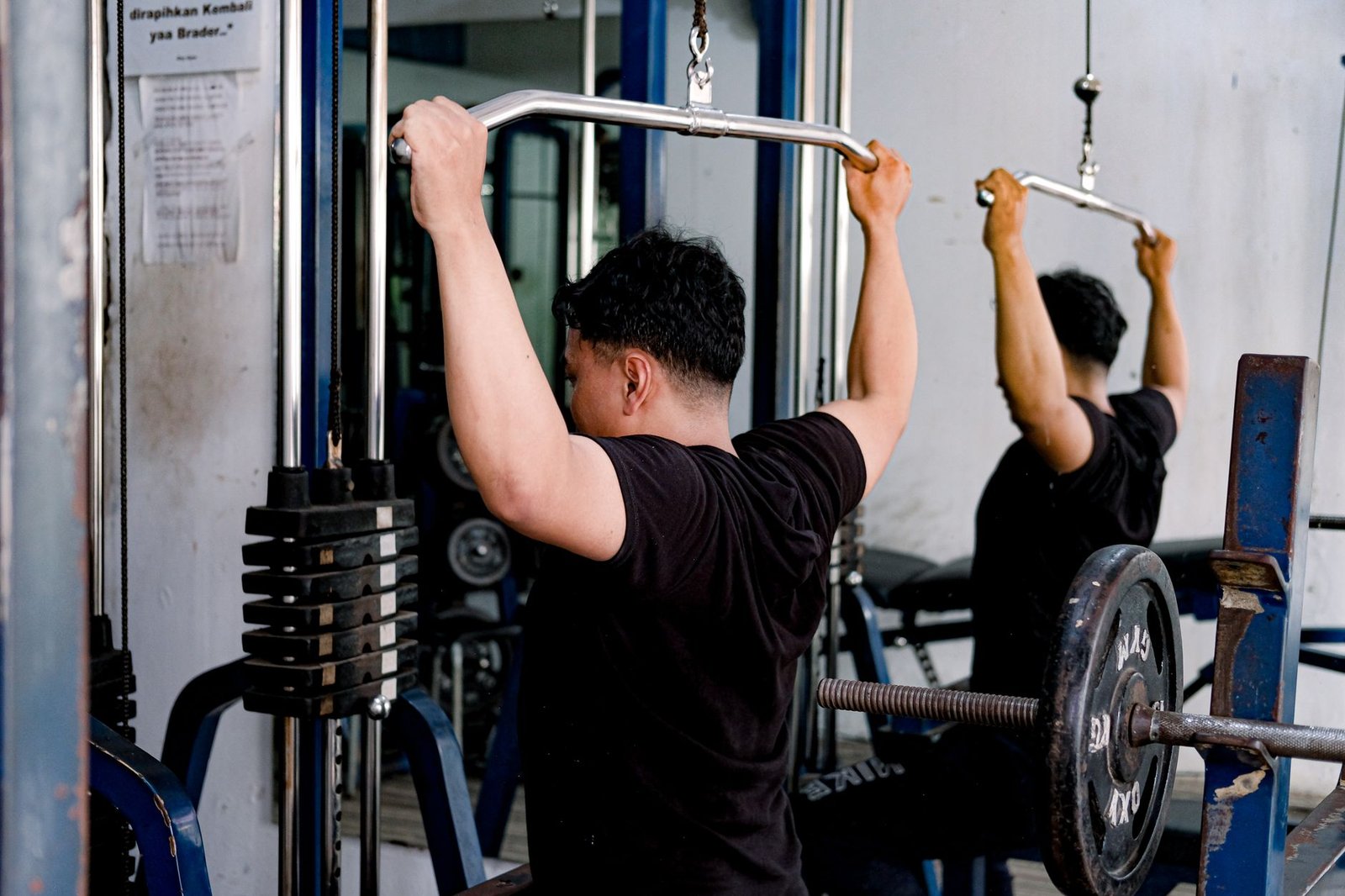
Digital resistance is load that comes from a motor or an electromagnet instead of gravity acting on steel plates. The machine computes how much resistance to give you and adjusts it in real time, often in increments far smaller than a plate stack allows. Your movement is translated into a controlled force that the machine applies back against you.
A good way to picture it is a gym cable station that thinks. One representative machine, the OMNI X1 Pro from the Hong Kong based equipment maker Innodigym, uses dual independent servo motors that deliver up to 264 pounds of resistance through a multi angle cable system. The cable anchors adjust across the top, sides, and platform, so a single unit covers presses, rows, squats, lunges, and most of the exercises you would do with a functional trainer. The brand describes its design goal as decoupling resistance from physical mass, which is a useful way to understand the whole category: the load lives in software, not in iron.
The best machines also give you training modes that are hard to replicate with free weights alone. Standard mode behaves like a normal weight stack. Eccentric mode makes the lowering phase heavier than the lifting phase, which is a proven way to drive muscle growth if you manage it carefully. Spring mode adds elastic resistance that increases as you pull. Isokinetic mode holds the speed of the movement constant, so you cannot cheat by swinging. These modes are not gimmicks; they genuinely change the stimulus, and they are exactly the kind of features that make digital systems interesting for home lifters.
Digital Resistance vs Free Weights: What Changes in Practice
When people compare training tools, they usually care about one thing: will it build muscle? The honest answer is that progressive overload is what builds muscle, and both tools can deliver it. Digital resistance is actually better at one part of the equation. Adding load in tiny increments is trivial on a digital machine, while a dumbbell or plate stack forces you to jump from 10 pounds to 15 pounds or from 45 to 55. Small jumps matter when you are stuck on a stubborn lift.
The differences show up in how the resistance behaves. Free weights give you a constant load that moves through space, and your body has to stabilize the bar or dumbbell along the way. That stabilization work is a big part of why barbells are so effective for full body strength. Cables and motorized resistance, by contrast, provide constant tension on the muscle throughout the range of motion, which feels smooth and can be excellent for isolation work and for keeping tension where you want it. You miss some of the free weight instability, but you gain a level of control that traditional equipment cannot match.
Heavy compound patterns are where the barbell keeps an edge. Squatting with a barbell on your back, deadlifting, and pressing overhead train your body to move in coordinated patterns under a real load, and no cable machine fully replicates that. That is not a deal breaker for most people, because you can squat and deadlift on a digital machine with a belt or handles, but the feel is different and the carryover to competitive lifting is not identical.
The evidence base is also honest context. Research on motorized and cable based resistance is newer and thinner than the mountain of literature on barbells and dumbbells. Early reviews of smart machines are generally encouraging, but independent long term data is still building, so treat dramatic marketing claims with healthy skepticism.
The AI Powered Features That Actually Matter
Part of the appeal of these machines is the software wrapped around the hardware. Some features are genuinely useful, and some are nice to have. Here is what deserves your attention.
Automatic spotting is the feature that changes the home training experience. Training alone with heavy free weights carries real risk, because failure can happen without warning. Digital resistance machines handle this elegantly. The example unit has smart handles and a quick release button that drops resistance to zero instantly when you are fatigued or losing your grip. Its AI safety system can even detect issues such as a tilted barbell during squats and reduce resistance automatically. That is not a gimmick; it is the difference between pushing close to failure safely and being afraid to try.
Personalized programming is the second feature worth caring about. The machine tracks your sessions, generates post training reports, and can offer training plans that adapt to your performance. If you have ever struggled to write your own program, having the machine suggest sets, reps, and weights based on your history removes a real barrier. The key is to treat the recommendations as a starting point and to listen to your body, because the software cannot feel your fatigue or your sore joints.
Form feedback is the feature to be most cautious about. Many manufacturers talk about computer vision and movement analysis, and the technology is improving quickly. In practice, most current systems are better at counting reps and measuring velocity than at telling you that your knee is caving in. Some machines will flag obvious issues like a tilted bar, but they will not replace a human coach. Buy for the safety and programming features, not for promised form correction.
Who Should Buy a Digital Resistance Home Gym
A smart machine is a significant purchase, so it is worth being honest about fit.
You are a strong candidate if you live in an apartment or a small home where a rack of plates is not realistic. The machines anchor to a wall or stand in a compact footprint, which makes serious strength training possible in a space the size of a large closet. You are also a good fit if you train at odd hours, if you have young children and cannot leave the house easily, or if you simply dislike gym environments and need something that removes every excuse to skip a session.
Beginners benefit more than you might expect. The guided setup, small load increments, and automatic spotting make the machines forgiving to learn on, which is exactly what someone new to lifting needs to stay consistent. Advanced lifters can also get value, mainly from eccentric and isokinetic modes for focused work, and from the ability to superset quickly without re racking plates.
You should probably skip it if your goals are specifically competitive powerlifting or Olympic weightlifting, because nothing replaces practicing the actual barbell lifts. Skip it too if your budget is tight and a basic set of adjustable dumbbells already covers your needs. And think twice if you already have a full free weight setup you actually use; spending thousands on a motorized machine that duplicates what you own is not a smart upgrade.
How to Choose the Right Machine
If you decide the category fits, use this checklist to compare machines honestly:
- Check the maximum resistance against your strongest exercise. If you can hip thrust or squat well over 200 pounds, make sure the machine can actually challenge you. Most home units top out in the mid hundreds of pounds, but the ceiling varies a lot by model.
- Confirm the mounting requirements. Some machines bolt to a wall stud, others stand alone, and some need specific ceiling height. Measure your space before you buy, not after.
- Look for a quick release and automatic safety features. This is the single most valuable part of the technology, so do not compromise on it.
- Ask which training modes are included. Eccentric mode is the most useful for muscle growth; isokinetic and spring modes are nice extras, not deal breakers.
- Add up the real cost. Machines in this category command premium prices. The flagship example cited in the source article lists around 3,300 dollars and was recently promoted near 2,600 dollars, and other quality units sit in a similar range. On top of that, many brands require a monthly subscription for the smart features, so calculate two or three years of fees before comparing to a gym membership.
- Check the warranty and the company’s track record. This is young hardware, and after sales support matters when a motor fails.
- Try the machine before you commit if you can, and read the return policy carefully. The feel of a cable versus a barbell is personal.
How to Start Training Smart
Buying the machine is the easy part; using it well is what produces results. Start with these practical steps.
Give yourself a week of light sessions to learn the feel of the resistance before you push any heavy sets. Practice the quick release until it is automatic, because you never want to search for the button mid rep. Use the built in programming at first, but keep a simple paper log of weights, reps, and how each session felt, because your own notes usually beat the algorithm’s assumptions.
A simple full body template works well for most people: train three to four days per week and alternate two workouts. Workout A pairs a squat pattern with a horizontal push and a horizontal pull, then adds core work. Workout B pairs a hip hinge pattern with a vertical push and a vertical pull, then adds core work. Keep the rep ranges between six and fifteen for most sets, and aim to add a small load or one extra rep every week or two. That steady progression is what creates growth, not the machine itself.
Do not skip the boring fundamentals. Strength training on any equipment only pays off if you eat enough protein, sleep properly, and warm up before heavy sets. The machine can program your workout, but it cannot eat your dinner or go to bed for you.
Common Mistakes and Honest Caveats
The biggest mistake people make with digital resistance is buying a machine with far more capacity than they need and then using it sporadically. The second is ignoring the setup requirements and discovering that the ideal mount spot is load bearing or too tall for the anchor kit.
Another common error is over trusting the software. The reports are useful, but they measure what the machine can see. If your form drifts as you get tired, the machine may log a flawless session while your hips are doing something creative. Film yourself on a phone every few weeks and compare, or invest in a session with a coach. Do not let the AI confidence replace basic movement awareness.
Finally, keep expectations calibrated. A digital resistance machine can absolutely support your muscle building goals, and for many home lifters it removes the exact obstacles that killed their consistency. It is not magic, and it will not replace a barbell if your goal is competitive lifting. Choose based on your space, your budget, and the training you will actually stick with, because consistency beats equipment every time.