











The Future of Fitness: How AI is Transforming Workouts and Health Management
Artificial intelligence is no longer just a buzzword reserved for tech giants and data scientists. It has permeated the fitness and health industry in ways that are both subtle and profound. From personalized training programs that adapt in real time to predictive health tools that flag issues before they become serious, AI is reshaping how we exercise, eat, and take care of our bodies. As we move into an era where wearable sensors and smart algorithms converge, the gym floor becomes a data rich laboratory designed just for you.
AI Powered Personal Training
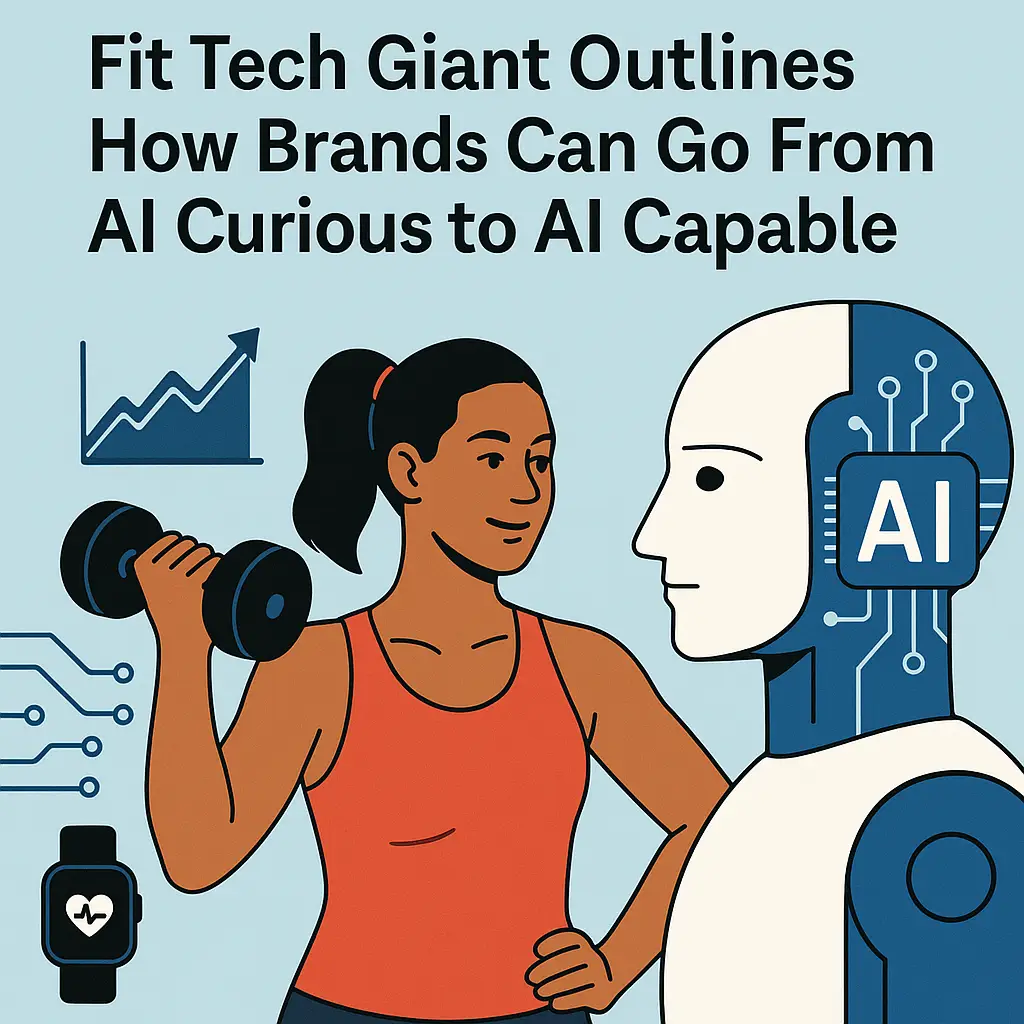
Imagine having a personal trainer who knows your body better than you do. That is exactly what AI driven fitness applications offer. These platforms use computer vision and motion tracking to analyze your form during squats, push ups, or yoga poses, providing instant feedback to prevent injury. Unlike static workout videos, an AI coach can count repetitions, detect incorrect posture, and suggest modifications on the fly.
Machine learning models continuously refine your training plan based on progress, fatigue levels, and even daily stress data pulled from your smartphone. The result is a hyper personalized workout that evolves with you. No more guessing whether to increase weight or take an extra rest day. The algorithm decides, drawing from millions of data points collected from similar users while respecting your unique physiology.
Wearable Technology and Real Time Feedback
The explosion of fitness wearables has provided the sensor data needed to fuel these intelligent systems. Smartwatches, rings, and chest straps now track heart rate variability, oxygen saturation, sleep quality, and movement patterns throughout the day. When paired with AI, this information becomes a real time health dashboard.
Consider the benefits of such integration:
- Immediate alerts for abnormal heart rhythms or breathing irregularities during exercise
- Activity recognition that automatically logs specific workouts without manual input
- Recovery scores that guide how intensely you should train on any given day
- Stress level monitoring that prompts breathing exercises when tension spikes
These features transform a simple step counter into a proactive wellness companion, constantly learning what “normal” looks like for you and flagging deviations that might require attention.
Predictive Health Analytics Using Machine Learning
Perhaps the most exciting frontier is predictive health. By analyzing historical fitness data, genetic information, and lifestyle habits, AI can forecast risks for conditions like heart disease, diabetes, or overtraining syndrome. Some advanced platforms combine workout logs with medical records to create a long term health projection, allowing users to adjust their habits years before symptoms appear.
For instance, machine learning algorithms can detect subtle declines in cardiovascular fitness long before a human notices breathlessness. They can then recommend specific aerobic exercises to reverse the trend. In corporate wellness programs, AI analyzes aggregate data to identify stress patterns across teams, enabling employers to design targeted interventions. The power here is prevention, shifting the focus from treating illness to maintaining peak vitality.
Smart Nutrition and Meal Planning
Exercise is only half the equation. AI is also revolutionizing nutrition by delivering meal plans that align with your fitness goals, allergies, and even genetic predispositions. Apps can scan food labels using your phone camera, calculate macro and micronutrients instantly, and log meals without tedious manual entry.
Deep learning models suggest recipes based on what is in your fridge, your taste preferences, and the energy expenditure recorded that day. If you had a particularly tough leg session, the algorithm might recommend a post workout meal rich in protein and carbohydrates to optimize recovery. Over time, it learns which foods make you feel energized and which cause bloating or sluggishness, refining its suggestions to improve both performance and well being.
Overcoming Plateaus with AI Driven Adaptation
One of the biggest frustrations for fitness enthusiasts is hitting a plateau. Traditional programs follow linear progression, but human bodies adapt in nonlinear ways. AI excels at dynamic periodization. It can introduce variation exactly when your body stops responding, whether by altering exercise selection, volume, intensity, or rest intervals.
Some platforms use reinforcement learning, a type of AI that experiments with different training stimuli and observes the outcome, much like a coach trying new drills. If a particular routine improves your VO2 max rapidly, the system doubles down on it. If progress stalls, it pivots. This constant experimentation ensures you are always in the optimal training zone for growth without wasting time on ineffective methods.
The Ethical Considerations and Data Privacy
As with any technology that handles intimate health data, caution is necessary. AI fitness tools collect vast amounts of personal information, from your location and heart rhythm to your sleep patterns and eating habits. It is crucial to understand how this data is stored, shared, and protected. Reputable apps use encryption and anonymization, but users should always review privacy policies and opt for platforms that prioritize data sovereignty.
There is also the risk of overreliance. An algorithm, no matter how sophisticated, cannot replace human intuition or medical expertise entirely. A dashboard telling you to push harder may miss the subtle cues of burnout that a coach would notice. The best approach combines AI insights with self awareness and, when needed, professional human guidance.
Artificial intelligence in fitness and health is not a distant concept. It is here, quietly woven into the fabric of everyday workouts and wellness routines. By embracing these tools thoughtfully, we can train smarter, recover faster, and live longer. The future of fitness is personal, predictive, and deeply intelligent.