Why Wearables Are Finally Moving Beyond Heart Rate
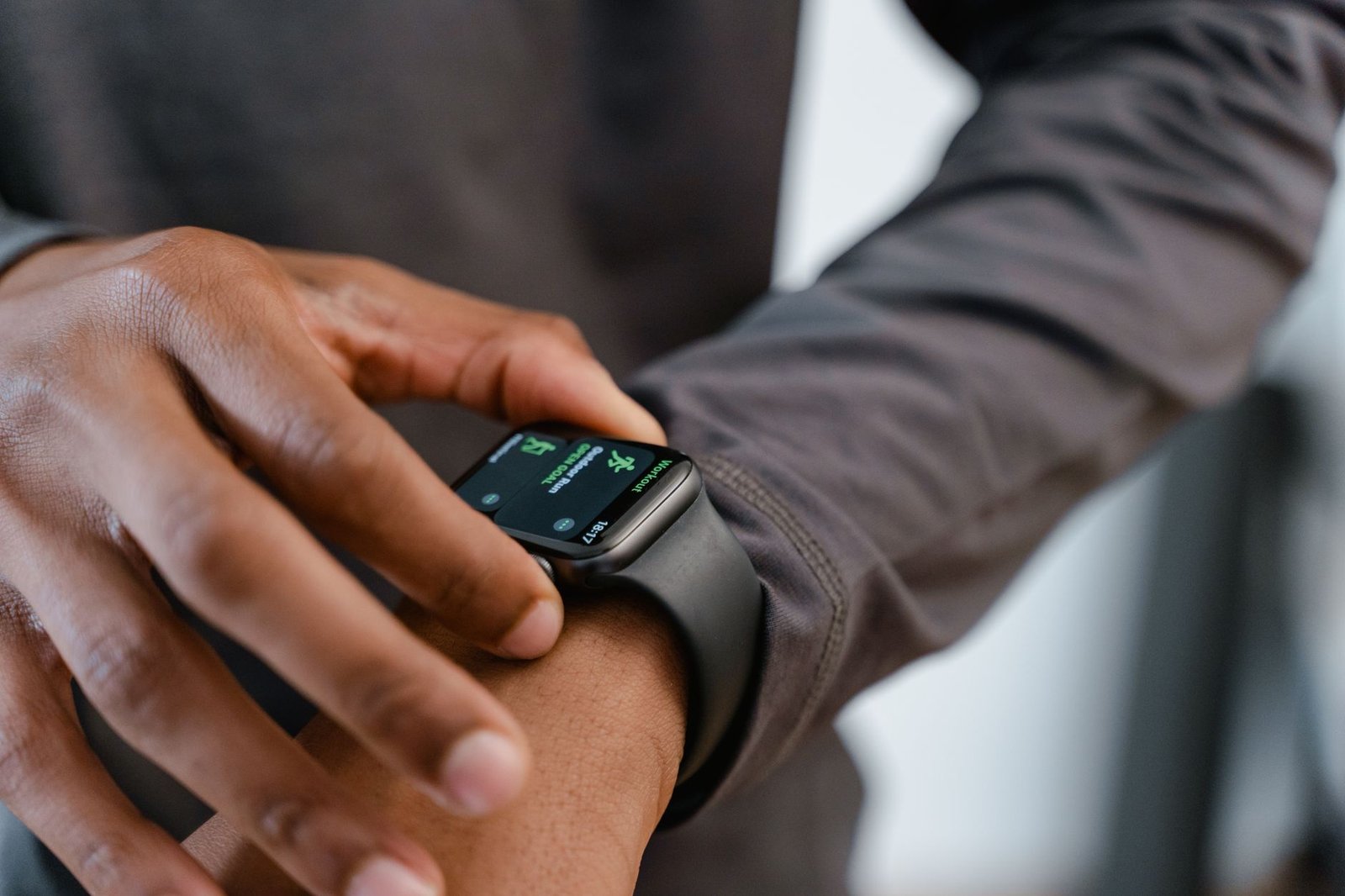
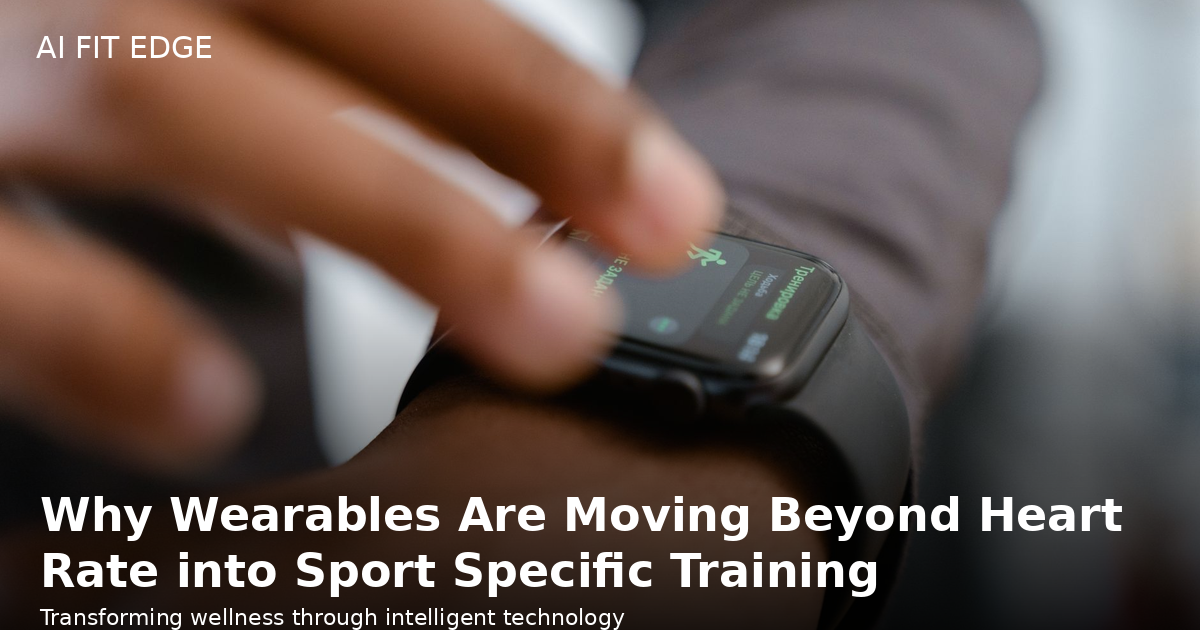
For the past decade your smartwatch has been built around one number. Heart rate has sat at the center of nearly every wearable, driving your zones, your burn estimates and your recovery scores. It has worked well enough for running, cycling and the treadmill, but it has always had a blind spot. Climbing a steep wall, lifting a heavy barbell or flowing through a gymnastics routine rarely shows up as clean heart rate data, because those sports are not smooth, steady efforts. They are bursts, holds and rests that a generic heart rate zone simply cannot describe.
That is starting to change in a big way. The wearable industry is moving beyond heart rate into sport specific data, and a recent deal between Coros, the sports watch maker best known among runners, and Sender One Climbing, a Southern California gym operator, shows exactly how far this shift has come. Rather than forcing climbers to read a running metric, the two companies are working together so watches can measure what climbers actually care about, from route grades and climbing volume to rest intervals and long term progression.
This is not a niche story about one gym. It is the leading edge of a change that touches every active person, whether you climb, lift, row, do yoga or just want a wearable that understands your actual sport instead of a one size fits all model.
The Climbing Problem That Broke the Generic Model
Think about what a smartwatch tracks during a run. You move at a roughly steady pace, your arm swings rhythmically and your heart rate rises in a predictable curve. Sensors built for that pattern are impressive. Now imagine a climber on a bouldering wall. They grip, pull, strain, hang, drop, rest, chalk up and go again. Their heart rate spikes and falls in seconds. Their wrist is bent, twisted and holding weight, so a normal optical sensor struggles to read through a tense forearm. A pace model or a distance calculation means nothing on a vertical wall.
This is why Coros, a company whose Outdoor Climb, Indoor Climb and Bouldering modes already exist, decided it could not simply borrow metrics built for running. The company partnered with Sender One, which has six locations in Southern California, so that real coaches and staff could give ongoing feedback on how the watches track training, performance and recovery. The goal is to refine features around metrics such as climbing volume, route grades, active versus rest periods, recovery and progression.
That approach matters because it treats a sport as something with its own physiology instead of assuming every workout can be squeezed into the same heart rate chart. The human body responds differently to hanging, gripping and pulling than it does to a steady jog, and a truthful wearable has to honor that difference.
The Metrics That Actually Matter for Climbing and Other Sports
When you strip away the marketing, the new wave of sport specific tracking comes down to a handful of measurements that general fitness bands ignore. For climbers those measurements include the following.
- Climbing volume, or how much time and how many attempts you spend actually on the wall versus resting between tries.
- Route grades, so you can see whether you are steadily sending harder problems or plateauing at the same level for months.
- Active versus rest periods, because the rest between attempts is often where improvement happens and where most gadgets go silent.
- Recovery signals, so your next session can be timed for when your forearms and central nervous system can actually handle it.
- Long term progression, which helps you answer the question every athlete cares about, am I genuinely getting better?
Those exact kinds of metrics are spreading beyond the climbing wall. CrossFit has signed a deal with a sensor company that identifies movements and measures reps, range of motion, velocity and power instead of relying on heart rate. Orangetheory now lets members link an Apple Watch to its in class tracking system. Major sports brands have signed official wearable partners across basketball, football and tennis, and the American College of Sports Medicine ranked wearable technology as the top fitness trend heading into 2027.
The pattern is clear. Coaches and athletes no longer want to be told how hard their heart is working. They want to know what their body is actually doing, and sport specific sensors are the only way to deliver that.
What Sport Specific Tracking Means for You
You do not need to be a climber to benefit from this shift. The same logic applies to any activity where steady state heart rate misses the point. Consider what better data unlocks in your training.
- Quality over strain. A wearable that measures bar speed, range of motion or rep velocity tells you when your performance has dropped even if your heart rate looks normal. That is a far more honest signal of fatigue.
- Recovery timing. When a device understands your sport, it can tell you that your grip strength has not returned or your power output is still low, instead of only shouting that your resting heart rate is up.
- Progress you can trust. Route grades, rep counts and range of motion are objective. They do not fluctuate with caffeine, stress or how well you slept the night before the way a heart rate reading does.
- Less guesswork in the gym. If you lift, a sensor that counts reps and checks your range of motion can catch the early reps you rush or the form that silently decays as you get tired.
The practical upside is that you stop training by feel and start training by evidence. That does not mean ignoring your body, it means giving your intuition real numbers to work with instead of a vague green zone on a watch face.
How to Choose a Sport Specific Wearable
The wearable market is crowded, and not every device labeled as sport specific delivers on the promise. Before you buy, work through a short checklist to find the tracker that actually matches your activity.
- Confirm your sport is supported. Do not assume every watch tracks climbing, lifting or rowing well. Check whether the brand has real climbing, strength or functional fitness modes, not just a generic workout label.
- Look for the metric, not the logo. A device that measures route grade or bar velocity is worth more to you than one that merely calls itself sporty. Read what data the manufacturer actually records.
- Check how recovery is handled. The best devices pair effort data with recovery signals so you know when to push and when to back off. A wearable that only counts activity is half a solution.
- Consider coach and community input. The Coros deal is strong precisely because real climbing coaches shaped the software. Ask whether a brand works with athletes who live your sport or designs in an office.
- Do not overpay for brand noise. A top name appears on the wrist of elite teams, but the cheapest option with genuinely sport specific sensors can outperform a premium badge that tracks everything poorly.
If you are only a runner, the classic heart rate model still serves you well. But if your training involves climbing, strength work, gymnastics, combat sports or anything explosive, invest in a tool that understands the demands of your sport rather than one built for a marathoner.
The Honest Caveats About Sport Specific Data
No wearable, no matter how well designed, is a substitute for expert coaching or for listening to your body. Sport specific sensors are a brilliant source of evidence, but they come with real limits you should keep in mind.
- Optical sensors still struggle with gripping sports. A wrist sensor under load can lose accuracy, so the best climbers often pair a watch with careful manual logging of attempts and grades.
- Progression is rarely linear. A plateau in route grades or range of motion can be part of a healthy adaptation cycle, not a sign you have stalled. The numbers need context.
- Data is only as truthful as your logging. If the device has to count attempts by hand or rely on your input, sloppy logging will poison the insight.
- No metric replaces tissue quality. No watch measures how your shoulder actually feels or whether your grip is safe today. Those judgment calls stay with you, and no silicon changes that.
Treat the wearable as a sharp instrument, not an oracle. Use it to confirm progress, time recovery and spot patterns, then apply the judgment only a human athlete and a good coach can bring.
The Bottom Line on the End of Generic Tracking
The partnership between Coros and Sender One is a small deal with an outsized meaning. It signals that the fitness tech industry has accepted a simple truth, that one band on every wrist is not enough, and that heart rate alone can no longer carry the weight of describing a human body in motion.
For the climber, the lifter, the hybrid athlete and the everyday fitness fan, the arrival of sport specific wearables is good news. Your tracker is about to meet you where you actually train, measuring the reps, the routes, the rests and the recovery that make the difference between spinning your wheels and making real progress.
The next time your watch gives you a number, ask yourself whether that number describes your sport or just your pulse. The best devices in the coming years will do both, and your training will be sharper because of it.