You have heard the numbers and you have watched the headlines. Millions of people are now taking a GLP-1 medication, and the gyms are starting to feel the difference. Some of those members are losing weight fast and loving it. Many of them are also losing something they did not plan to give up, which is muscle. The real question for anyone on this journey is not whether the medication works. It is how you keep the strength you already built while the weight comes off.
This guide is about that exact problem. We will walk through why muscle loss happens on a GLP-1 cycle, how gyms and fitness coaches are reshaping their programming to help, and the concrete steps you can take, with or without a gym, to protect your lean mass and keep your results durable. The short version is that the medication changes the equation, but it does not remove your control. The people who keep their strength are the ones who train deliberately, eat enough protein, and use a few smart tools to stay on track.
Why Muscle Disappears When the Weight Drops
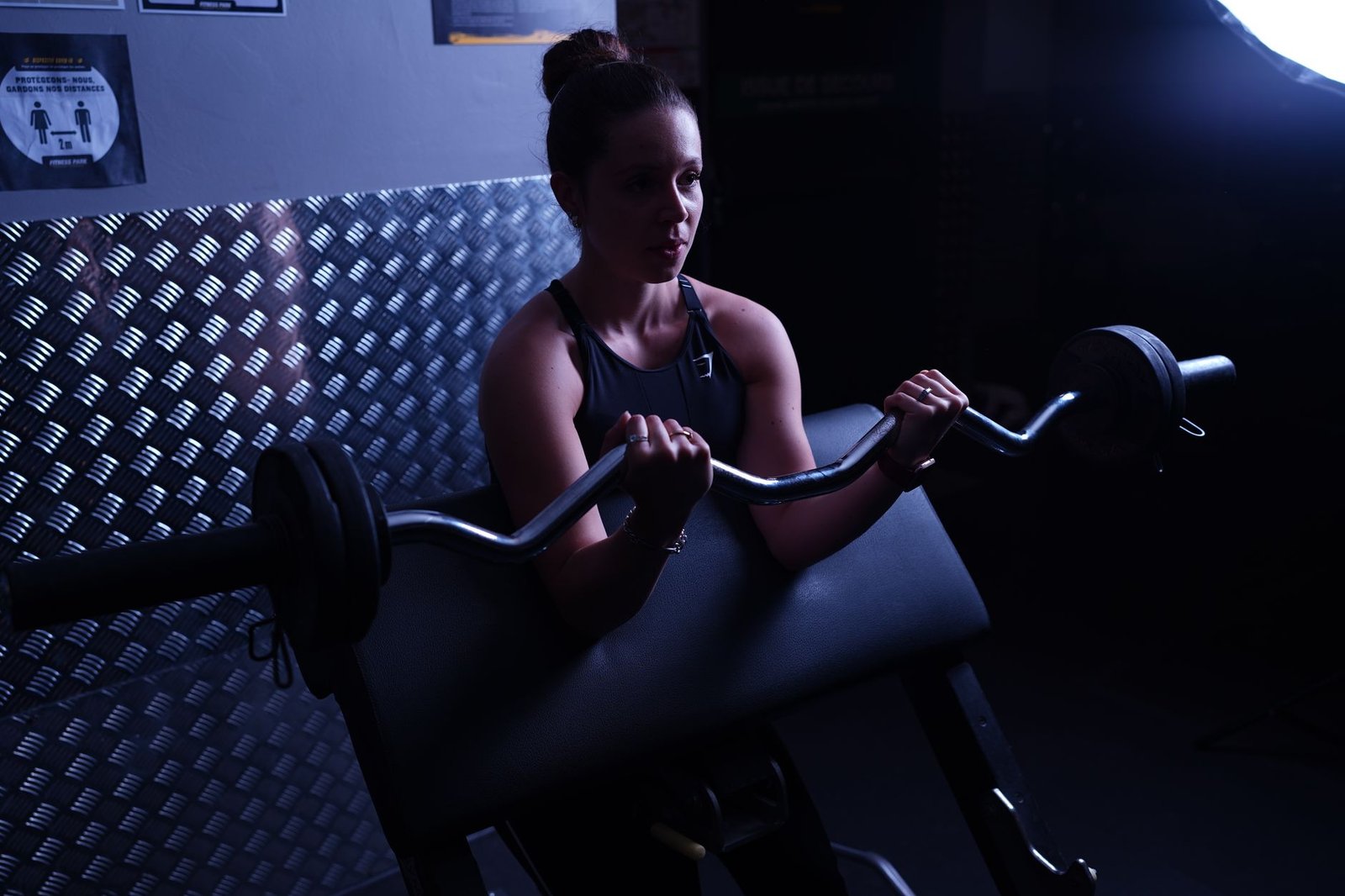
Understanding the mechanics is the first step, because the more you know about why it happens, the better you can fight it. When you create a calorie deficit, which is exactly what a GLP-1 medication encourages through reduced appetite, your body has to get energy from somewhere. Ideally it burns stored fat. In practice it also taps into muscle tissue, because lean mass is an energy source your body will use when food intake drops sharply.
Several factors make this worse on a GLP-1 cycle. The appetite suppression often cuts your overall food intake more than you realize, which means you may be eating far less protein than your muscles need for repair. The medication can also blunt hunger signals so strongly that you skip meals entirely, and you may feel full before you have consumed enough fuel for training. If you were never strength training in the first place, the problem compounds, because unused muscle is quickly recycled by the body.
This is not a reason to avoid the medication, and it is not a reason to panic. It is simply the reality that makes strength training and protein intake non negotiable parts of the plan. Weight loss without a strength component tends to produce what researchers call sarcopenic obesity, where the number on the scale looks better but the body composition is worse. The goal is to lose fat and keep muscle, and that only happens when you train and eat deliberately.
How Gyms Are Rewriting Their Strength Programming
Fitness operators have noticed this shift, and many are changing what they offer. Where gyms once organized members around generic cardio zones and open weights, a growing number are now building structured strength programs specifically for people on weight loss medications. Coaches are moving away from a one size fits all approach and toward progressive resistance plans that emphasize compound lifts, loaded carries, and machine based training that is safe for beginners who may have never lifted before.
The logic is simple. When a member is eating in a deficit, the training stimulus has to be strong enough to tell the body, keep this muscle, you still need it. That means lifting progressively heavier over time rather than drifting through random machines. It also means prioritizing the large movements that recruit the most muscle at once, such as squats, presses, rows, and hinge patterns, because they give the best return on a limited energy budget.
Many gyms are also adding a clinical layer to support this population. You will see more facilities partnering with registered dietitians, offering in house body composition scans, and building referral relationships with medical providers who prescribe these medications. The thinking is that a gym that helps members protect muscle while losing fat becomes the obvious place to continue training for years, not a place you leave once the weight is off. If you are training on your own, you can borrow this approach by structuring your sessions around big compound movements and tracking your numbers honestly from week to week.
Protect Your Muscle With a Smart Strength Routine
You do not need a boutique studio or a personal trainer to keep your muscle. You need a simple, consistent, progressively overloaded routine. Here is a practical template that works whether you train at home with dumbbells or at a full gym.
Train two to four days per week with resistance work. Three well structured sessions are enough for most people, and they beat five sloppy ones. Each session should cover the major movement patterns so no large muscle group is ignored. A balanced split looks something like this.
- Push pattern, such as a bench press, dumbbell press, or push up variation
- Pull pattern, such as a row, lat pulldown, or band pull apart
- Knee dominant pattern, such as a squat, lunge, or step up
- Hip hinge pattern, such as a deadlift, hip thrust, or kettlebell swing
- Core and stability work, such as planks, carries, or farmer walks
Pick one exercise from each pattern per day and perform three to four sets of eight to twelve repetitions. The key is progressive overload, which means making each week slightly harder than the last. Add a small amount of weight, add one repetition, or add one set, but always push the bar a little higher. When you cannot add more, rest a little less or slow the tempo down.
If you are new to lifting, start lighter than you think you need and master your form first. Video your sets with your phone and review them, or use a form feedback app that watches your movement and corrects you in real time. The goal early on is not to impress anyone, it is to build the habit and the skill so that heavier weight becomes safe later. As your strength climbs, the muscle retention follows, because a trained muscle signals your body to preserve it even in a deficit. Cardio is welcome too, but it cannot replace this work, so lift first on any day you do both and keep most cardio at a sustainable pace.
Protein Is the Fuel That Saves Your Muscle
Training tells your body to keep the muscle. Protein gives it the building blocks to actually do so. In a calorie deficit, your protein needs actually go up, not down, because you are asking your body to hold onto tissue while giving it less total energy.
A practical target for most adults on a GLP-1 cycle is roughly one gram of protein per pound of body weight, or a bit less if you prefer, which means a person at 180 pounds should aim for around 150 to 180 grams per day. That number feels intimidating at first, so break it down across meals and snacks. Aim for thirty to forty grams at each main meal and add a high protein snack or shake in between.
Because a GLP-1 medication suppresses appetite, you often have to eat before you feel hungry. Schedule your protein rather than waiting for hunger to arrive. Prioritize lean sources such as chicken, fish, eggs, Greek yogurt, cottage cheese, tofu, and lean beef, and lean on protein shakes when whole food feels like too much to chew. Spread your intake across the day instead of loading it all at dinner, because a steady supply is easier for your body to use for muscle repair.
Here is where technology earns its keep. Photo based food logging apps let you snap a picture of your plate and get an instant estimate of your protein, calories, carbs, and fat. In a few seconds you can see whether you hit your protein target or whether you need to add a shake. That instant feedback is far more useful than guessing, and it removes the biggest reason people fail at protein goals, which is simply losing track across a busy day.
Track Your Progress the Right Way
This is the place where people get discouraged, and the fix is simple. Stop measuring success with the scale alone. On a GLP-1 cycle your weight will drop, but as you build or preserve muscle your body composition changes in ways the scale cannot show. Two people at the same weight can have very different bodies, one strong and one soft, and the number alone tells you nothing about which one you are becoming.
Use several honest markers instead. Measure your waist with a tape measure every two weeks. Take progress photos in the same light and pose each month. Record the weights and repetitions you lift each session so you can see your strength climbing. Note how your clothes fit and how everyday tasks feel, such as climbing stairs or carrying groceries, because those functional wins are real proof that your muscle is staying. When you can look back and see that you lifted more this month than last, you have direct evidence that the plan is working even if the scale is flat.
Wearables and smart rings add another layer. Many of them track resting heart rate, heart rate variability, sleep, and recovery, which helps you gauge whether you are pushing too hard or not hard enough. Use the recovery score to guide intensity, lifting heavy when you are fresh and easing back when your body signals fatigue. The data is a tool, not a verdict, and the goal is to train in the window where you build muscle without burning out.
Common Mistakes That Sabotage Muscle Retention
Several patterns reliably undo the hard work, and knowing them ahead of time keeps you on track. The first is skipping strength training entirely and relying on diet alone, which guarantees you lose lean mass along with fat. The second is eating far too little protein, often without realizing it, because the appetite suppression quietly shrinks every meal. The third is lifting the same light weight forever, since without progressive overload your body has no reason to hold onto muscle.
The fourth mistake is obsessing over the scale and quitting when it stalls, even though your body composition may be improving the whole time. The fifth is ignoring recovery, training hard every day while sleeping poorly and eating in a deep deficit, which leaves your body no room to rebuild the tissue you are asking it to keep. The sixth is going it alone without any accountability, which makes it far too easy to drift out of the routine when motivation fades.
Give yourself grace as well. Some muscle loss is a normal part of rapid weight reduction, and perfection is not the goal. The realistic goal is to keep as much strength and lean mass as possible while the fat comes off, and to rebuild over time. Consistency, protein, and progressive training put you firmly on the right side of that equation.
The Bottom Line
GLP-1 medications are changing bodies, and they are changing gyms too. Operators are building strength programs and clinical partnerships to serve this fast growing population, which tells you something important. The people who get lasting results are not the ones who just eat less. They are the ones who train smart, eat enough protein, and track their progress honestly.
You can do all of that without a fancy gym. Train two to four days a week with compound movements and add weight over time. Hit a strong daily protein target and use a photo logging app to stay honest about it. Let cardio support your health without replacing your lifting. Track your waist, your photos, and your lift numbers instead of trusting the scale alone. Use a wearable to tune your effort to your recovery, and watch out for the common mistakes that quietly cost you muscle.
The medication can take the weight off, but it is your training and your food choices that decide what kind of body you keep. Protect your strength and the results will last long after the scale stops moving, giving you a leaner, stronger, more capable body that serves you for years. That is the real win, and it is entirely within your reach starting with your very next workout.