Why Running Form Suddenly Matters More Than Ever
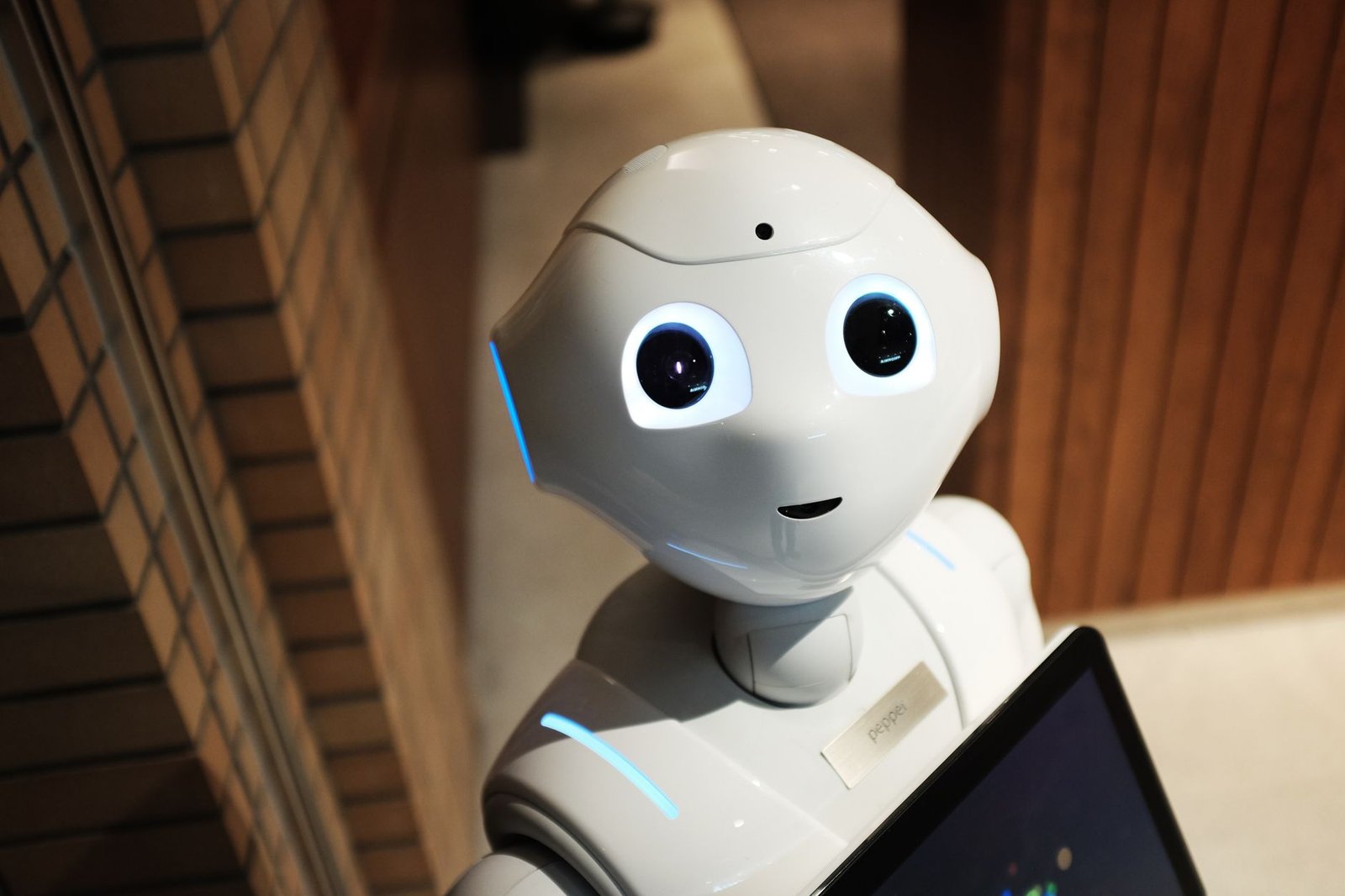
Running is having a moment. Run clubs are filling city parks, marathon registrations are breaking records, and casual joggers are quietly turning into serious students of the sport. Alongside that boom, a quieter shift is happening in the technology those runners strap on. The newest wearables and smart treadmills no longer just count your steps or record your splits. They now watch how you move and tell you what you are doing wrong. For the first time, an artificial intelligence system can analyze your running gait in real time and coach you toward smoother, safer, more efficient movement.
This matters because most runners never learn proper form. They pick up a pair of shoes, watch a few videos, and run the same way for years. Then the nagging knee pain arrives, or the shin splints, or the mystery hip tightness that never quite goes away. The research on running injuries is sobering. Year after year, studies report that a large share of recreational runners are injured at some point in a given season. Many of those injuries trace back to movement patterns that load joints unevenly, patterns most people never see because nobody is watching them run.
That is the real promise of AI running form analysis. It is not a gimmick designed to replace a coach. It is a tool that finally lets you see the movement you cannot observe yourself. Whether you train on a treadmill with an embedded camera or rely on a phone app or a smartwatch, the technology asks one useful question over and over: what does your stride actually look like, and what would happen if you changed one small thing?
How AI Watches You Run
To understand what the new generation of running tech can do, it helps to know roughly how it works. The systems rely on computer vision and motion analysis, the same broad family of techniques that lets a camera detect a person in a photo or recognize a pose in a workout video. When you run in front of a suitable camera, the software tracks key points on your body and turns your movement into a stream of data.
That data feeds into a model that has learned from many examples of human running. The system can then estimate things like cadence, stride length, vertical oscillation, and how your foot strikes the ground. It can flag asymmetries between your left and right side, or notice when your torso drifts too far forward. What makes it feel alive is that this analysis happens continuously and conversationally. The AI does not hand you a PDF of numbers after the run. It speaks to you mid stride with a prompt like bringing your cadence up, or relaxing your shoulders, so you can correct course while you are still moving.
The experience varies by device. A camera mounted on a treadmill can watch your whole body from the front or side. A phone propped on a bench can analyze a short clip of your outdoor run. Increasingly, sensors and accelerometers inside smartwatches infer form signals from how your wrist moves and how your body bounces. None of these perfectly replaces the eyes of a trained coach with a stopwatch on a track, but they do something a coach cannot easily match: they stay with you for every rep, every mile, every workout without ever losing patience.
What a Good Form Score Can and Cannot Tell You
Here is where honesty matters. Any tool that claims to measure your running can overstate how precise it is. A camera measuring your form is estimating angles from a two dimensional view, while your body moves in three dimensions. A heart rate strap gives you a clean signal; a camera watching your feet does not always catch every nuance of how your ankle rolls at high speed.
So treat the numbers as directional feedback rather than laboratory truth. When your AI coach says your cadence is low, that is a genuinely useful signal. Low cadence, meaning fewer than about 170 steps per minute for most runners, is strongly associated with overstriding, where your foot lands too far ahead of your body and your knee absorbs the shock of every step. Bumping your cadence up by a few steps per minute is one of the most effective and safest changes a runner can make, and an AI system can measure it more reliably than your subjective sense of rhythm.
Since the software can now notice a consistent limp appearing late in a run, it becomes an early warning that a joint is fatiguing. Use the flag to adjust.
What you should not do is chase a perfect score obsessively. Running form is not a video game high score. Overcorrecting based on a single metric can create new problems. If the tool flags your vertical bounce, and you suddenly force yourself to run flatter and stiffer, you may trade one issue for another. Use the feedback to make gradual adjustments, one variable at a time, and give your body weeks to adapt before changing the next thing.
Practical Steps to Improve Your Form With AI
If you want to put AI running analysis to work in your own training, you do not need expensive equipment. Start with what you already have and build from there. Here is a straightforward way to approach it.
- Record a baseline. Use a phone camera at home or a treadmill with a camera, and capture a short clip of yourself running from the side and the front. Note your current cadence and whether your foot lands under your hip or well ahead of it.
- Make one change at a time. The single highest leverage change for most runners is increasing cadence by about five percent. Take your baseline steps per minute and aim to add roughly five steps per minute over a few sessions.
- Use real time cues mindfully. When the tool prompts you mid run, respond to one cue at a time. Pick a theme for the workout such as landing softer or standing taller, and ignore the rest until that feels automatic.
- Keep a small training log. Because AI feedback can feel abstract, write down what you changed and how your body responded. Did the knee pain ease? Did your pace improve without more effort? Over weeks this record is more valuable than any single form score.
- Pair the tech with real coaching. Use AI for consistent measurement and daily reinforcement, but still get an occasional human eye, especially if you have a history of injuries. The two together are far stronger than either alone.
The common thread is patience. A runner who works on cadence for a week then abandons the idea because the numbers did not jump is missing the point. Form changes are slow, measured in months, and the payoff is not a prettier graph but a body that stays healthy enough to keep training.
How the Smart Treadmill Fits In
The treadmill is where much of this technology is landing first, and not by accident. A treadmill gives the camera a controlled, predictable environment. Your position in the frame is consistent, the belt moves at a known speed, and the lighting is steady. That makes computer vision far more reliable than it is on a crowded outdoor path. It is the reason the newest connected treadmills are shipping with built in cameras and running analysis as headline features.
The newest wave of treadmills also reflects a simple truth about the industry: running is bigger than the rowing machine or the stationary bike. The major connected fitness brands have spent years being known for the bikes that made them famous during the home workout boom. Now, as that era fades and run clubs rise, those same companies are betting that running is the category that will carry them forward. You see it in foldable treadmills aimed at people with little floor space, in premium models with slat belts that soften impact, and in features that let you simulate a sled push to build leg power.
For the everyday runner this is good news. More competition in the treadmill market means prices come down and features move up. A camera that once felt like a luxury cherry on top is becoming standard. The practical question is whether a smart treadmill is worth it for you. If you train at home and want consistent monthly analysis of your form, the answer can be yes. The same AI insights are increasingly available in watch and phone based apps, so outdoor runners are not locked out of the trend.
Blending Human Coaches With AI Feedback
One concern people raise about AI running coaching is that it will replace the human touch. The companies building these systems have actually moved in the opposite direction. The most successful connected fitness brands continue to center their human instructors, the charismatic voices and personalities that make workouts feel like community rather than chore. The AI operates underneath, quietly measuring your form and adjusting the coaching in real time, while the human leads the class.
That hybrid model is worth embracing as a runner. There are things an algorithm does brilliantly, like tracking cadence during a long interval set, or noticing that your form degrades in the last ten minutes when you are fatigued. There are things a human coach does irreplaceably, like reading your mood, understanding your injury history, and knowing when to push you and when to back off. The best setup uses both. Let the AI carry the measurement burden, the endless counting and comparing, and let the human do the actual coaching, the motivation, the big picture planning, and the judgment calls that numbers cannot make.
If you are rebuilding your running after an injury or a long layoff, this combination is especially valuable. The AI gives you objective feedback that your form is not collapsing as you build back up, which is calming. The human gives you a progression you can trust. Neither alone gives you the full picture.
Using Form Data to Prevent Injuries and Start Right
The deepest reason to pay attention to running form is injury prevention. This is where the technology earns its keep. When an AI system notices persistent asymmetry or a drop in cadence late in a run, it is often catching the early signal of overuse before pain arrives. Fatigue changes gait. As muscles tire, runners tend to slouch, shorten their steps less efficiently, or let one leg take a heavier load. Catching that fatigue signature in real time lets you adjust, slow down, or shorten the session before something tears.
There is an honest limit here. AI running analysis is not a crystal ball that predicts every injury, and it cannot diagnose a problem once it exists. If you feel a sharp pain, a persistent ache, or swelling, the right move is still to see a sports medicine professional, not to consult your watch. The technology is a prevention and awareness tool, not a substitute for medical care. Used that way, it slots cleanly into a sensible training routine.
Think of form data as one more input alongside how you feel, how much you slept, how hard you trained last week, and what your body is telling you. Runners who combine objective data with honest self awareness tend to make smarter decisions. They know when to push and when to rest. That judgment, more than any single metric, is what keeps someone running for decades instead of for a few good months.
If all this feels like a lot, remember that you do not need to master the technology to benefit from it. The simplest entry point is to record a short video of yourself running a few times over a month and compare your cadence. Most consumers can feel the difference between landing heavily with an overstride and landing lightly with a quick cadence under their hips. That single awareness is often enough to start making small improvements.
From there, let the feedback guide you gradually. Move toward an app or device that gives you real time cues if you enjoy the constant company. Alternatively, keep it simple and check in a few times a month. The worst thing you can do is turn running, which should feel freeing, into a performance review you dread. The technology exists to make you a stronger, more durable runner, not a more anxious one.
Running’s popularity boom is a wonderful thing, because more people moving is good for everyone. The AI tools arriving now can help those new runners start with better habits instead of unlearning bad ones later. Whether you are chasing your first race or your fiftieth, a clearer picture of your form is a real advantage. Use it wisely, keep the human element close, and let your body tell you the final truth about what works.