Apple Fitness Plus and AI Workout Apps Are Converging, So Which One Is Right For You?
If you have spent any time looking for a new way to train at home, you have almost certainly run into the same two options. One path is a polished guided workout service that is built around an expensive wrist wearable. The other is a phone based app that watches your actual movement with the camera and coaches you in real time. Both promise better fitness, but they go about it in completely different ways, and the gap between them matters far more than most beginners expect.
This guide is an honest comparison of the two approaches, built around the question people actually search for: whether you really need an Apple Watch to get serious results, or whether an AI workout app that needs nothing more than your phone can do the job. You will learn how each system works, what it costs you over a year, what it genuinely tracks, where it falls short, and how to pick the setup that fits your goals and your budget.
What Apple Fitness Plus Actively Does For You
Apple Fitness Plus is a library of guided workout videos. You choose a class, a professional trainer leads you through it on screen, and the service times its instruction to the movements you are doing. There are sessions for strength, yoga, HIIT, cycling, rowing, core work, mindfulness, and more. The library is large and polished, the audio integrates with your music, and the trainers are genuinely good at pacing a class.
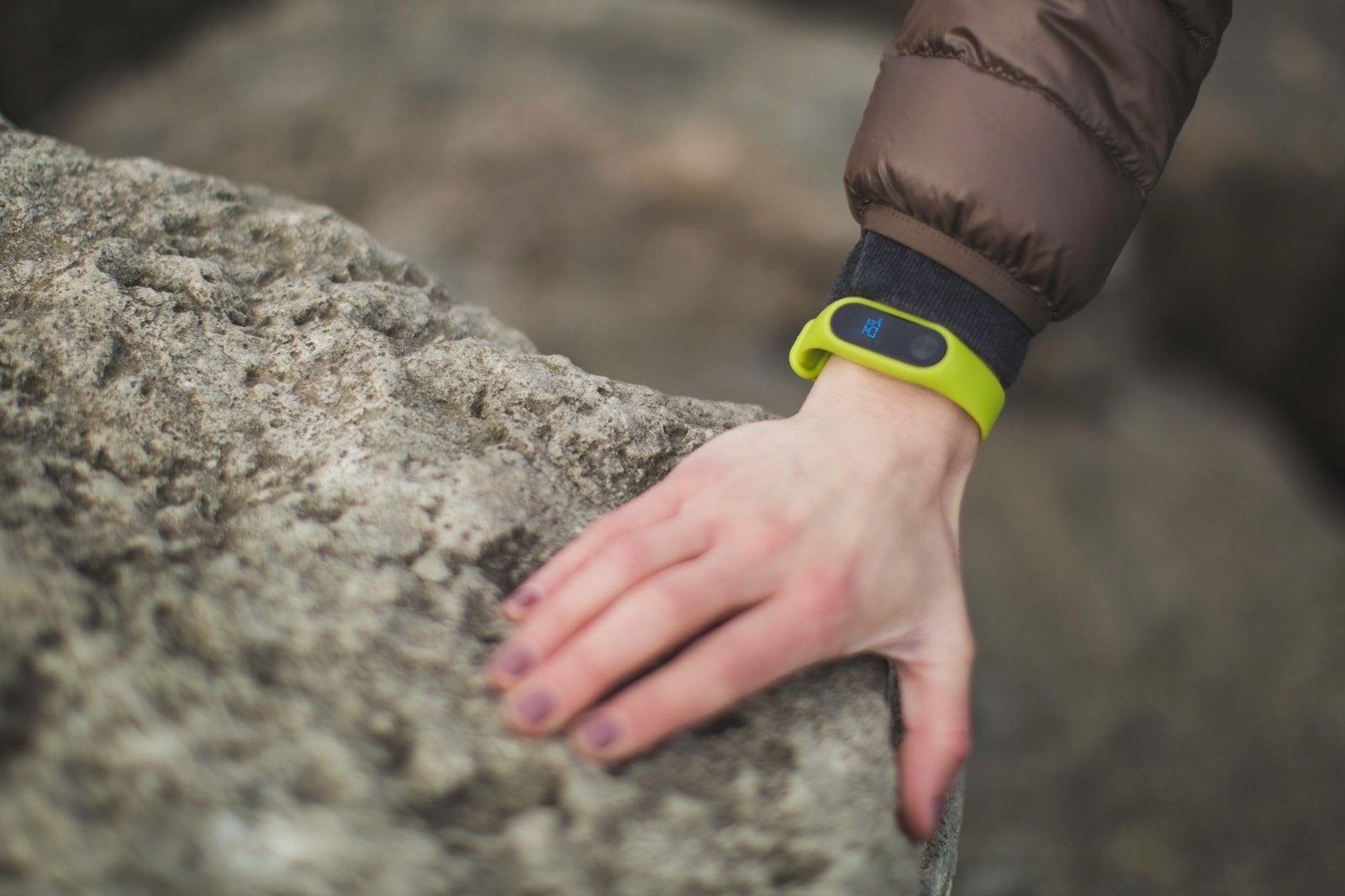
The defining feature is its integration with the Apple Watch. When you train with a watch on, your heart rate, active calories, and activity rings appear on the screen while the class plays. The trainer will sometimes call out intensity targets, and the watch data checks whether you are actually reaching them. That feedback loop, seeing your effort as a number in real time, is the core of what makes the service feel alive rather than just another video.
It is worth being precise about what Apple Fitness Plus does not do. It does not analyze your technique. It does not watch your joints or notice that your squat depth is too shallow or that your shoulder is drifting. It follows along with a video and gives you effort feedback through the wearable. The quality of your movement is largely on you, or on the camera you happen to have in the room. For a complete beginner, following a video without form feedback is exactly where bad habits tend to form.
What a Camera Based AI Workout App Actually Tracks
The newer category is the AI workout app that uses your phone camera to watch you train. Instead of following a video, you set your phone up a few feet away, and the app uses computer vision to recognize your body position frame by frame. From that it counts your repetitions automatically, estimates the speed and range of each rep, and compares your posture to a model of a correct movement.
Because the software is looking at your actual body rather than a schedule, it can do things a video library cannot. It can tell you that your last three push ups were shallower than the first five. It can prompt you to slow down when you are rushing a movement, or to extend your full range of motion. It can pause the count when your form breaks down, effectively forcing you to earn each rep. That is a fundamentally different coaching signal, because it is specific to what you did in that moment, not generic advice for a class.
The biggest practical advantage is that this works from your phone. There is no separate device to buy, charge, or remember, and the tracking works for bodyweight training, strength work, and a wide range of movements you can do at home. It suits people who want to train without owning specialized hardware, and it suits people who want objective feedback on technique rather than just motivation.
The Big Question: Does the Apple Watch Actually Matter?
This is where most people get stuck, and it is a fair place to pause. Apple Fitness Plus is, honestly, a very strong product. But without an Apple Watch it is largely a workout video subscription. The thing that makes it special, the live heart rate and the rings and the personalized metrics, all comes from the wearable. So the real decision is not just about the app subscription. It is about whether you are willing to buy the hardware that the experience depends on.
A quality smartwatch carries a real upfront price, and on top of that you add the monthly subscription for the fitness service itself. When you add the cost of the watch to the first twelve months of the subscription, the total to get started is not trivial. The pricing landscape changes over time, but the shape of the decision does not: you are committing a meaningful chunk of cash before you have completed a single workout.
The counterargument is that an Apple Watch is a genuine wellness tool in its own right. Beyond the fitness classes it monitors your daily activity, tracks sleep, reads heart rate and heart rate variability, and feeds that data into health insights. If you would buy the watch anyway for everyday health tracking, then Apple Fitness Plus becomes a reasonable add on that uses hardware you already own. The math changes completely based on whether the watch is a new purchase or an existing one.
What Each Setup Gives You, Honestly Compared
Rather than declare one approach the winner, it is more useful to lay out what each setup genuinely delivers and where it is weakest.
With a guided video service plus a smartwatch
- You get a huge library of high quality, professionally led classes across many styles.
- You get real time effort data, so you can see your heart rate and calories while you train.
- You get broad daily wellness tracking beyond workouts, including sleep and heart data.
- You get almost no feedback on your actual form or technique during a movement.
- You must buy the wearable and pay a subscription, so the upfront cost is higher.
With a camera based AI workout app
- You get automatic repetition counting, so you never lose track mid set.
- You get real time form feedback that catches the movements a video cannot see.
- You get it all from just your smartphone, with no extra hardware to buy.
- You generally do not get the polished daily wellness dashboard of a full wearable.
- You may need to place your phone to see your body clearly, which takes a minute to set up.
Neither list is empty, and that is the honest picture. One approach is strong on breadth of guided content and continuous health data, while the other is strong on precise movement coaching with far less cost and friction. The right answer depends on which side you value more.
How To Choose Based On Your Real Situation
Instead of picking a default, work through a few simple questions and let your answers guide you.
If you already own a smartwatch and wear it daily, the case for a guided service is strong. You have already paid for the wearables value, the effort feedback will work, and the library gives you structure you can use immediately. In that situation a subscription is a reasonable, low risk choice.
If you have no wearable and are starting from scratch, ask yourself whether you would actually wear one every day. Many people buy a fitness watch and stop using it within weeks. If you are not certain you will wear it, then paying for both a watch and a subscription before you know your workout habit is risky. An AI workout app that needs only your phone lets you start today with zero hardware commitment, and you can add a wearable later once your routine is real.
If your main goal is building strength with clean technique, form feedback matters more than a calories figure. A camera based app that corrects your squat and push up depth will do more for your results than a live heart rate readout. If your main goal is consistency and cardio conditioning, having a professional lead you through a class and seeing your effort climb can be the stronger motivator.
If you want both, the good news is that these are not mutually exclusive. A camera based AI app can handle the movement coaching and rep counting during your strength work, while a smartwatch on your wrist continues to feed health data into your daily tracking. Many people run both together, using each tool for what it does best, and that combined approach is often the most effective and the most affordable over time.
A Practical Plan To Test The Waters Without Overspending
You do not need to commit hundreds of dollars to figure out which approach suits you. A smarter sequence protects your budget while still giving the question a real trial.
Start by training consistently for a few weeks using an AI workout app on your phone, without buying anything. Because there is no hardware cost, this trial is nearly free. Pay attention to how often you actually train and whether the form feedback keeps you honest. If you find you are skipping sessions, the issue is motivation, and a guided class may help more.
After two to three weeks, check the evidence you have collected. Did the automatic rep counting and form correction actually get you training more and moving better? If the answer is yes, you have found a setup that works with no wearable at all. If the answer is that you crave live heart rate data and a guided community, that is the signal that a watch plus a guided service is worth the money for you.
If you do go the wearable route, buy it for its daily health value first, not just for the fitness classes. Use the sleep and heart data for a while. If you love the watch as a daily tool, adding a guided workout subscription later is an easy decision you will not regret. If the watch sits in a drawer, you have saved yourself a subscription on top.
- Use a camera based AI app on your phone for three weeks as a zero cost trial.
- Track how often you train and whether your form improves during that window.
- Decide if you want live effort data and guided classes enough to justify a wearable.
- If yes, buy the wearable for its daily health value, then add the subscription.
- Run the two together, letting each tool handle the tasks it does best.
An Honest Bottom Line About Movement Coaching Costs
The conversation around Apple Fitness Plus versus an AI workout app tends to get framed as a competition, but the real lesson is simpler. The most valuable part of any training tool is whether it keeps you consistent and keeps your movement honest. A premium class with a wearable is only worth it if you actually show up and push hard. A simple camera based app is only worth it if you actually set it up and let it correct your reps. Both fail exactly the same way, in the hands of someone who does not train.
For most beginners starting from no equipment and no commitment, the smartest first move is the one that costs nothing to try. An AI workout app that uses your phone camera gives you real coaching today, form feedback, rep counting, and an honest measure of your consistency, with no hardware to buy. You can always add a smartwatch and a guided service later, once your habit is proven and you know you want the extra layer of daily health data.
So the direct answer to the search question is this. You do not need an Apple Watch to get fit. You never needed one. What you need is a way to train consistently with feedback that keeps you honest, and you can get that today with nothing more than the phone already in your pocket. The watch is a wonderful upgrade once you know you will actually wear it, but it is an upgrade, not a requirement.