If you have ever tried to track your calories with a fitness app, you already know the pain point. You open the app after every meal, search a growing list of foods, scroll past a dozen near matches, tap the one that looks close enough, guess the portion size, and type it in. Do that for breakfast, lunch, dinner, and snacks, every single day, and the habit usually dies within a few weeks. It feels less like a health tool and more like an unpaid part time job.
The new wave of food tracking tools wants to remove that friction. Instead of asking you to translate every plate into a search, an AI food logger lets you point your phone camera at your meal and get a calorie and macro estimate in seconds. The technology is real and it is maturing quickly. But it also comes with honest limits: a camera cannot always tell a tablespoon of oil from a cup of it, and a pizza slice from a salad when the toppings hide everything underneath. The right answer for you depends on what you are trying to achieve, how strict you need to be, and how much effort you are willing to invest.
This guide walks you through how manual calorie counting and AI photo logging each work under the hood, where one beats the other, and how to choose. The goal is not to crown a single winner. It is to help you pick the tracking method you will actually keep using, because a tool you abandon after ten days is worse than a slightly rough manual app you touch every single meal.
How Traditional Calorie Counting Actually Works
Manual logging, the kind made famous by apps that have been around for nearly two decades, is built around a giant searchable food database. You look up what you ate, the app pulls values for its energy and macro content, and you enter a portion. Many apps also let you scan a barcode on packaged food, weigh a chicken breast, and save your own recipes that appear the next time you eat the same thing.
The hidden skill cost of manual tracking
The biggest problem is never the math. It is the time and the decisions. Every meal demands a series of micro judgments: is this a small, medium, or large serving, did the restaurant use butter or oil, is my bowl the size the app assumes, and how do I estimate the handful of almonds I snacked on. Research has consistently pointed out that people underestimate portion sizes and struggle with mixed dishes, which means the numbers you log are often off even when the process feels exact.
That honesty matters more than it seems. When your logged calories do not match the changes on your body, you stop trusting the tool and quietly stop using it. For a lot of people the deeper issue is abandonment, not accuracy. A study style question worth asking yourself is whether you are giving up on a good plan, or failing a tool that was never testing you on a fair field to begin with.
What AI Photo Food Logging Actually Does
Computer vision meets your plate
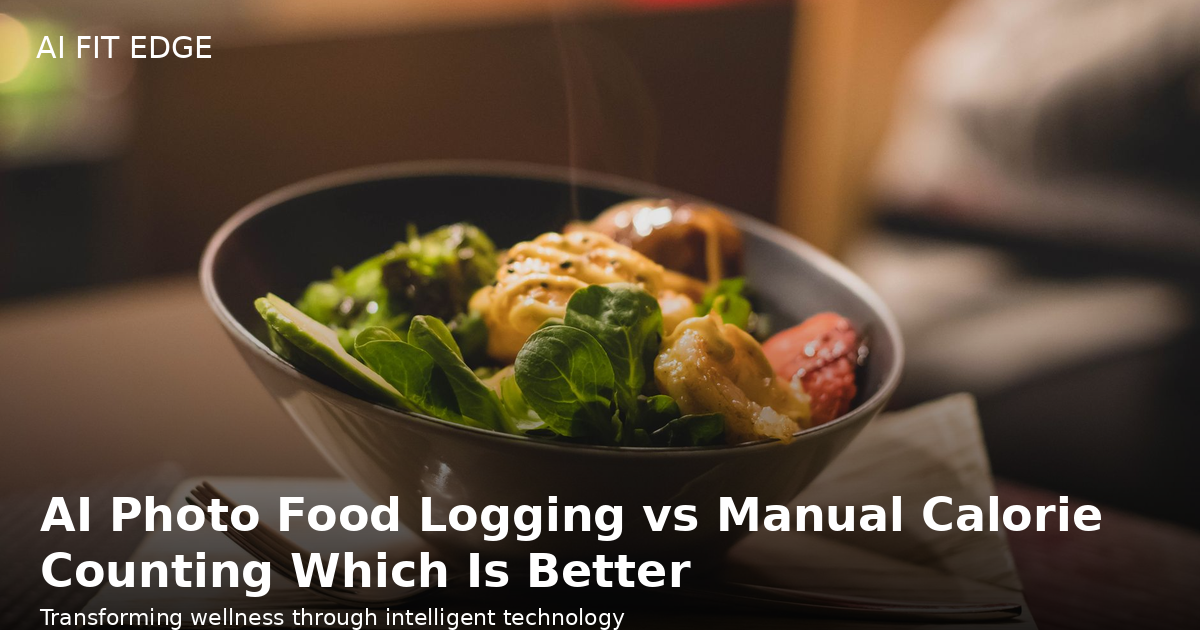
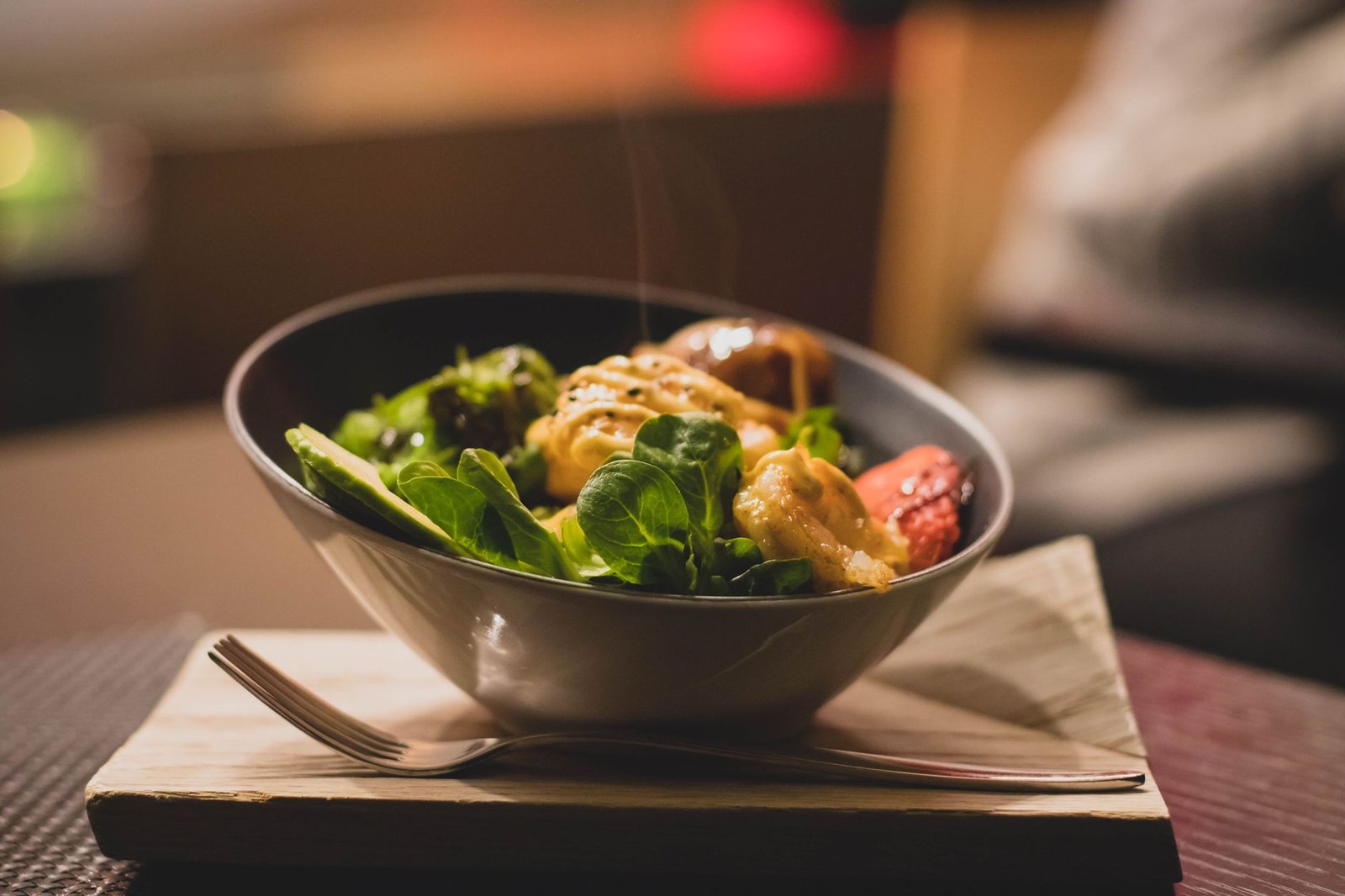
A photo based logger starts with computer vision. You snap your plate and the model analyzes the image to recognize the different foods present, estimate the shape and volume of each one from the picture, and assign a calorie value to the whole thing. Some apps overlay this recognition with a domain model that understands portion geometry, so a thick slice of sourdough reads differently from a thin one because the depth is visible in the shot.
Modern AI food loggers also track your exercises with the same camera approach. Pose detection watches your body through a video frame and counts reps, checks your form, and logs the movement for you. On many of these tools you never create a manual entry for an exercise again, which is what makes the whole experience feel closer to a hands on coach than a spreadsheet.
The promise is the removal of friction
The core value proposition is simple and hard to argue with: a tap and a photo beats several minutes of typing every time. Less friction between eating and logging means more consistent logging, and more consistent logging means data that is genuinely useful for spotting patterns. If you can only manage one healthy habit a day, a food logger that takes five seconds per meal is a food tool you will actually open.
It also removes the paralysis of the endless search screen. Instead of scanning 30 rows of near identical entries and second guessing your pick, the app does that decision for you and offers a result you can edit if it misread the plate. For most people that kind of fast feedback loop makes nutrition feel approachable for the first time in their life.
Where Photo Logging Shines and Where It Stumbles
Where the camera wins
AI photo tracking is excellent at tasks that manual tracking is threadbare on. Whole foods like vegetables, fruit, plain proteins, rice, and yogurt are generally identified accurately, and with good lighting and a clear overhead shot the estimate lands close enough for practical weight management. It also wins on speed for anyone who travels, eats out, and wants a rough sense of the damage without dismantling a restaurant dish often unknown to any database. And for the exercise side, automatic rep and form screening is an undeniable time saver for bodyweight movement.
Where you should stay skeptical
Be honest about the blind spots too. The hardest cases are the same ones humans struggle with: mixed dishes, sauces, dressings, dough, and anything pan fried in generous oil. Oil is dense and a dropped camera cannot reliably weigh a hidden glug under the sauce, so drizzled dishes tend to come in lower than the reality on the plate. Accuracy can also wobble when the lighting is bad, the angle grazes flat, or the portion is unusual for the app to estimate.
Neither method sees into your snacks either. If you skip logging a few handfuls of trail mix because you do not want to point a camera at it, the tracker only sees what you choose to show it, same as a manual log that you quietly stopped updating. A food tracker is only as good as the habit around it, no matter how clever the underlying model gets.
The Real Tradeoffs That Often Decide the Match
Privacy and where your photos live
Privacy is the tradeoff most users overlook. A photo based logger that processes frames on your phone to recognize a bar or form keeps your video on device, but a tool that sends images to a cloud for better recognition may hold far more of your eating life in a database. Read where the recognition happens, what gets stored, and what you can delete. For many people the line between a local logger and a cloud tool decides the outcome before either one logs a single meal.
Cost and depth of detail
Price and control also differ. Manual giants lean on a free tier with ads and a paid premium for advanced macro and micro detail, while many modern AI apps start free at launch or beta and charge later. If you live on strict macro targets, tolerate typing, and want fine control over exact gram totals, the traditional route often still serves a serious athlete who weighs food. If you want consistency, friction free logging with reasonable accuracy for everyday health, the photo route becomes the more durable fit for most of the population.
Accuracy and scientific grounding
The last tradeoff is evidence. The best tools lean on transparent rules backed by a wide base of nutritional science rather than a confident catch all guess. Look for a tool that explains where the recommendation comes from and lets you correct mistakes, so the estimate improves as it learns your habits, your home plates, and your usual meals.
Who Should Use Each Approach
Choose photo AI logging if you
- keep quitting calorie apps because manual logging feels like a second job
- frequently eat out, travel, or juggle family meals you cannot weigh
- want automatic rep and form tracking at home without wearing a smartwatch
- prefer faster logging over a few extra percent of precision
- value having your food and snapshot data processed on your own device
Choose manual calorie counting if you
- follow a strict bodybuilding or macro target you weigh and track daily
- want the largest possible food database and barcode scanning
- do not mind typing and cooking from scratch with a food scale
- trust a more granular log for a short, intense cut or competition season
- need micro nutrient detail that photo estimates rarely surface
How to Start Photo Food Logging the Smart Way
If you want to switch, do not replace your whole system overnight. Run both for a week in parallel. Log a meal the old way and snap the same meal with the camera tool, then compare the numbers. The gap you find tells you the trust level you can rely on, and the workflow you naturally reach for each day will tell you which one you can hold into the next month.
Set up for success with a few habits instead of heroic willpower. Shoot from directly overhead for the truest bowl and volume read. Light your plate well and avoid shadows. Correct the app when it misreads oil or sauce, because corrections train the guess. Log before you start eating, not after you finish, and log the extra bites too because the honest number beats the pretty one. And if a meal is a mixed mystery, a rough holiday dinner counts more for the day to day than a perfect number you hid all week.
Keep your goal in mind the whole time. The reason to log at all is a pattern, not a rebellion about one evening out. Review your week once and look for the bigger themes: where the calories really landed, whether your protein hit the target, and what one change you will change this week. That reflection is where a food logger earns its place, far more than the decimal on any single entry.
The Bottom Line on Photo Food Logging vs Manual Counting
Neither approach is automatically better because they solve different problems. Manual calorie counting is precise when you are willing to invest the time, and the price of that precision is daily monotony and a high chance you quit. AI photo food logging removes the grind, sees your exercise reps too, and keeps you consistent, at the cost of a bit of accuracy on the trickiest plates and a fair question about where your photos go.
The better choice is the one you can actually maintain. If your hunger today is for a fast, hands free system that finally makes nutrition tracking click, an AI photo logger deserves a real trial. Try it for two weeks with an honest overhead shot and a correction when it misses, compare it against your existing habit, and let your week over week consistency speak louder than any feature list. Whatever you choose, stay consistent, and the tool becomes a small help inside a habit you actually keep.