Wearable or Phone AI: Which Fitness Tracker Really Deserves Your Money
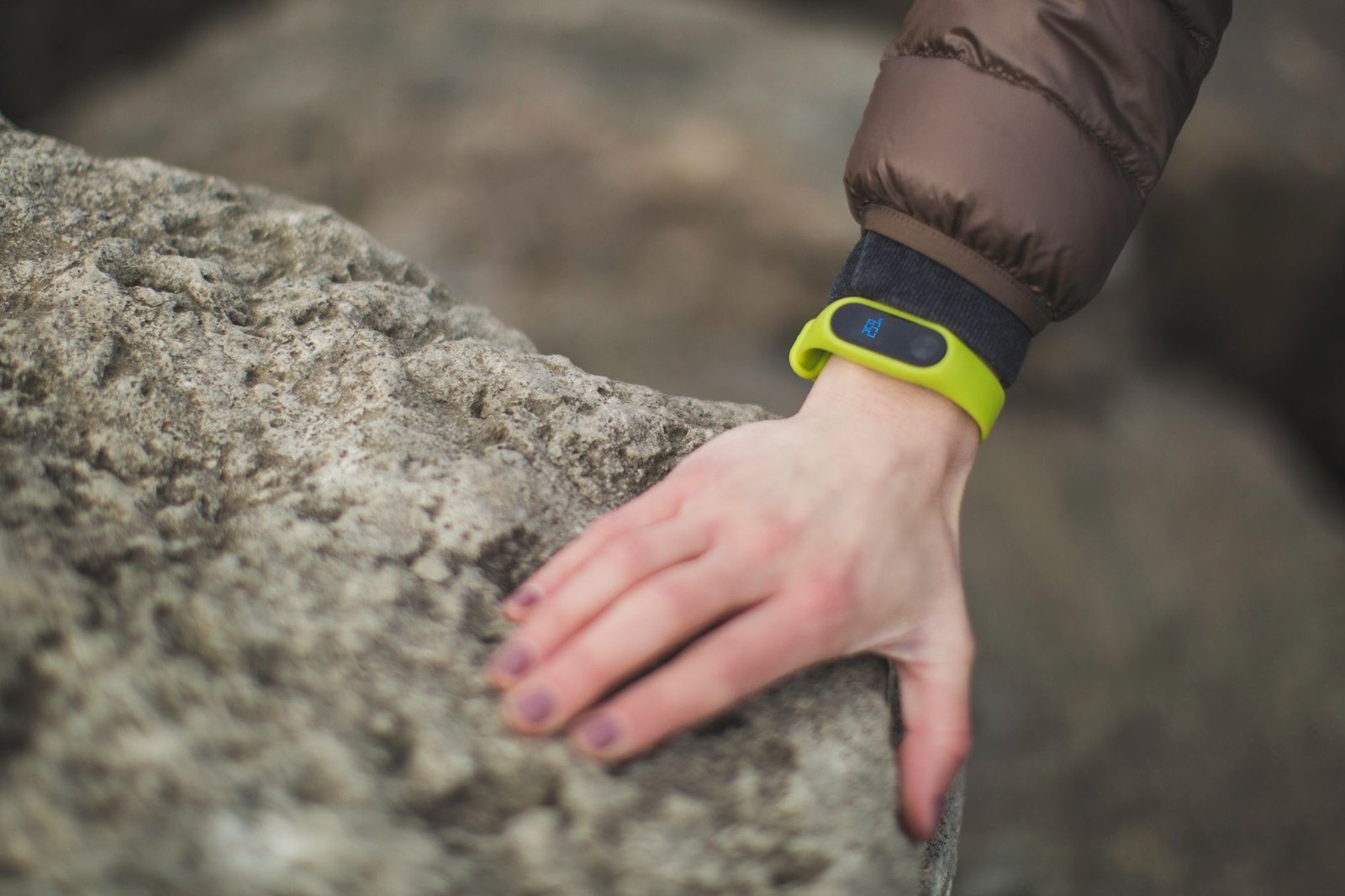
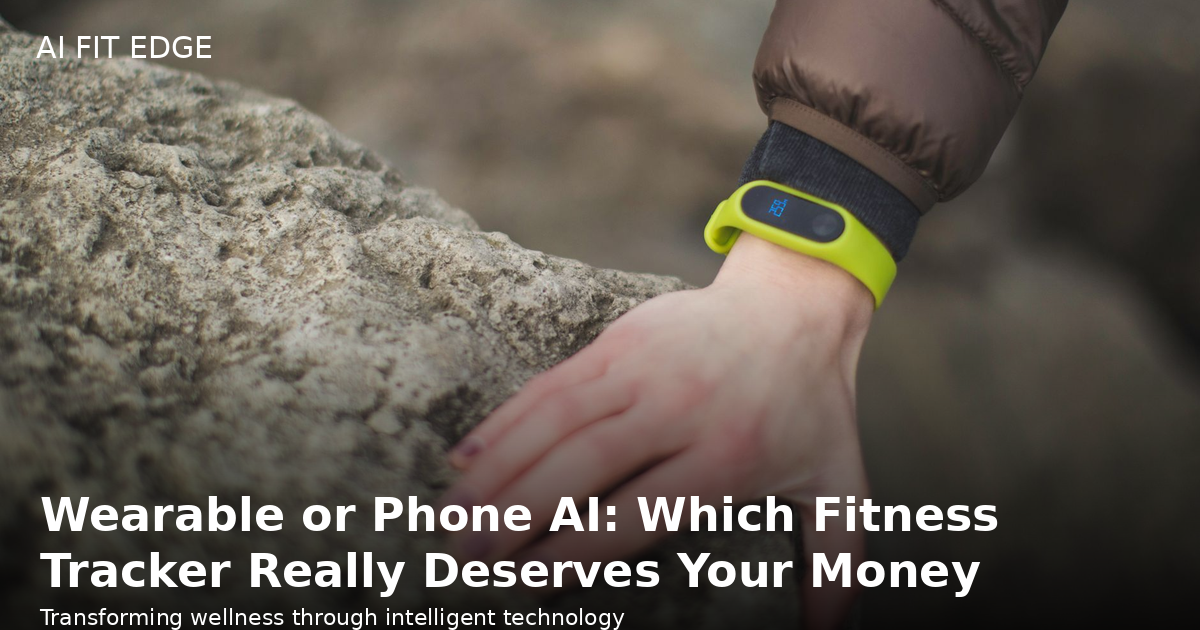
Choosing between a wearable device and a phone based AI fitness app is harder than it used to be. Once, the decision was obvious, if you wanted continuous tracking, you bought a watch or a ring, while a phone app was a free alternative. Now both approaches have grown sophisticated enough that each convincingly claims to be the smarter choice, leaving many people confused about where to spend their money.
The honest answer is that there is no single best choice for everyone. Both tools are excellent at different things, and the right decision depends on your goals, your training, and how you prefer to live. Understanding what each does genuinely well, and where it falls short, lets you spend your money on the tool that reliably serves you rather than one that duplicates what you already have.
What a Wearable Still Does Best
A dedicated wearable remains unbeatable for continuous, passive tracking. Because it sits on your wrist or finger all day and night, it captures your heart rate, movement, steps, and sleep around the clock without any effort from you. That constant stream of data is what makes features like resting heart rate trends, sleep staging, and recovery scores possible, and it runs silently whether you remember to open an app or not.
This passive nature is the wearable’s biggest advantage. You do not have to carry anything extra, set anything up, or remember to start recording, the device simply captures your life in the background. For understanding your resting state, your sleep, and your overall recovery, a well made wearable is genuinely hard to beat.
What Camera Based AI Adds
The strength of a phone app lies in its camera and its intelligence. Using your phone’s camera, modern AI apps can watch your movement in real time, correct your form, count your repetitions, and even judge whether your squat reached full depth. This is guidance a wearable simply cannot offer, because a wrist sensor cannot see what your body is doing the way a camera can.
Phone based AI also tends to be more adaptive and interactive day to day. It can build a routine around your schedule, adjust a session based on your energy, and give you rich, immediate feedback that keeps training engaging. For someone who wants form coaching and varied, rewarding workouts, the phone app brings something genuinely different to the table.
Match the Tool to Your Training
The key is to think about what type of training you actually do. If your focus is endurance, steady cardio, sleep, and daily recovery, the wearable’s continuous heart rate and sleep tracking gives you exactly the picture you want. If your focus is strength, bodyweight work, or learning new movements, the phone camera’s form guidance and rep counting serves you far better.
For people who train with mixed goals, the answer is often a combination. A wearable quietly tracks your recovery and sleep across the week, while a phone app coaches the sessions themselves. Understanding which of your needs is most important helps you decide whether to buy a device, upgrade a subscription, or enjoy both working together.
Privacy Deserves More Attention Than It Gets
Privacy is an often overlooked factor in this choice, and it deserves real thought. A camera based app watches your body and may process or store video, so you should understand what the developer collects and how it is handled. A wearable gathers a different kind of sensitive data, your location, heart rate, and sleep, so the same care applies.
Whichever you choose, look for clear privacy practices and options that respect you. Prefer tools that process sensitive data on your device when possible, limit what is shared, and let you decide what is collected. A tool that protects your privacy is one you can use with confidence, and that should be part of any decision about spending your money.
Considering the Cost Honestly
Cost is a practical part of the decision. A quality wearable involves an upfront purchase and sometimes a subscription for its advanced features, while phone apps usually offer a lower subscription with no hardware cost. Over time, these can approach similar totals, so it is worth comparing the full picture rather than just the sticker price.
Consider the value each provides for its cost. A wearable earns its price through effortless, round the clock tracking, while a strong phone app often delivers exceptional form coaching at a modest fee. Match the expense to the benefit you will actually use, and resist paying for features you will rarely touch, whatever the price tag says.
Common Setup Questions Worth Knowing
Before you invest, a couple of practical points are worth understanding. Wearables usually need to be synced and charged, though good ones manage multi day battery life, while phone apps only need your camera and a clear space to set the device during a session. Neither is difficult, but your convenience and routine will shape how often you actually use them.
It also helps to know that many tools work together even when you do not buy them from the same company. A wearable can feed its sleep and recovery data into a phone app that coaches your workouts, giving you both continuous tracking and intelligent form guidance in one connected experience. Checking which integrations matter to you before you buy saves frustration and can let you build the best of both worlds.
Making the Decision That Fits You
To decide, start by naming your most important goal. If you want deep insight into sleep, recovery, and daily readiness, and you are happy to wear a device through the night, invest in a quality wearable. If you want real time form feedback, rep counting, and dynamic coaching for your sessions, choose a strong phone based AI app.
Be realistic about your habits. A wearable only helps if you actually wear it, and a phone app only helps if you keep the phone pointed at you during workouts. Pick the tool you will genuinely use most, and remember you can adopt the other later. Starting with one well matched tool beats owning both but using neither.
A Practical Way to Test Before You Commit
If you are unsure, there is a low risk way to decide. Begin with a respected phone based AI app, which costs little and needs no hardware, and use it for a few weeks to see whether you value its feedback. During that time, notice whether you wish you had continuous sleep and recovery data, which would point you toward a wearable.
Alternatively, borrow or try a wearable if you can, and observe whether its passive tracking changes how you feel and train. Testing one approach at a time lets you trust your own experience rather than marketing claims. Whichever direction your experiment points, you will make a better informed choice and feel good about how you spent your money.
Final Thoughts on Making the Right Call
Whichever direction you lean, keep your focus on what actually moves your health forward. The best device in the world is worth little if you abandon it after a month, so choose the option you will naturally keep using and enjoy. A simple, consistent tool that you reach for regularly will always beat a more advanced one you leave in the drawer.
Let your choice grow with you. You may start with a phone app and later add a wearable, or begin with a wearable and broaden into coaching. There is no need to feel locked in, the goal is simply to keep learning about your body and keep improving. Start with the tool that fits today, use it with genuine curiosity and consistency, and let your training and experience guide whatever you add next.
The Practical Takeaway
There is no universally right answer between a wearable and a phone based AI fitness app. Each excels at something the other cannot easily match, the wearable at effortless, round the clock tracking, and the phone camera at real time form and movement coaching. The best choice is the one that matches your goals, your privacy comfort, and your willingness to use it.
Look honestly at what you want most, test before you commit, and choose the tool you will reliably use. Whether you buy a wearable, subscribe to an app, or enjoy both, the real win comes from consistent, engaged training, and the right tool is simply the one that helps you keep moving with confidence.