Most people who start a workout program give up not because they trained too little, but because they pushed hard on the wrong days and never let their body catch up. That gap between effort and recovery is exactly the problem a new generation of AI powered wearable devices tries to solve, and the industry just picked up its loudest endorsement yet. LeBron James, now 41 and beginning his 24th NBA season with the Philadelphia 76ers, says he has worn a Whoop strap for 11 years and credits it with helping him stay healthy. He has kept a perfect 100 percent wear rate all year and ranks in the top 10 percent of Whoop members for sleep efficiency.
If a simple band can help someone survive two dozen seasons in the most physically punishing sport on earth, it is fair to ask what it can do for the rest of us. This guide walks through what recovery wearables actually measure, how the AI models turn raw signals into a daily score, where the honest limits are, and how to use the numbers without turning every morning into an anxiety check.
What a recovery wearable actually tracks
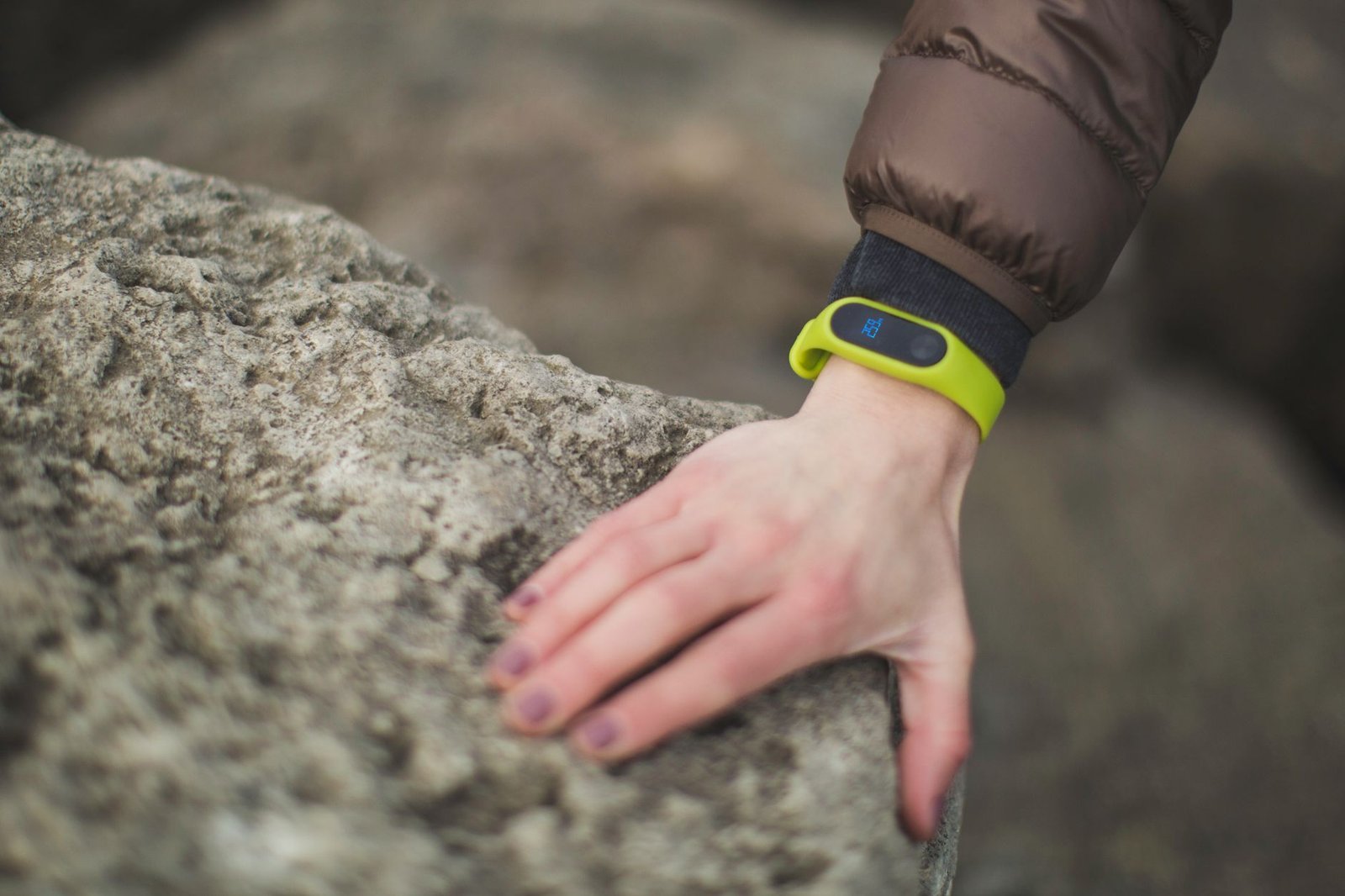
Strip away the marketing and every recovery wearable on the market is a small sensor package that records a handful of physiological signals while you sleep. The strap sits on your wrist, the ring sits on your finger, and both measure the same fundamentals.
Heart rate variability
Heart rate variability, or HRV, is the timing variation between consecutive heartbeats. It is not the number of beats per minute but the rhythm between them. A higher HRV generally reflects a more relaxed nervous system and a body ready for work, while a lower HRV often points to stress, poor sleep, heavy training, or illness. Because it shifts meaningfully from night to night, HRV is the backbone of most recovery scores.
Resting heart rate and respiratory rate
Your resting heart rate while you sleep tells the device how hard your system had to work overnight. A creeping baseline over several nights can flag overtraining before you feel it. Respiratory rate, or how many breaths you take per minute while asleep, gives another window into how your body handled the day and can jump noticeably when you are fighting off a cold.
Sleep stages and skin temperature
Modern straps and rings estimate deep sleep, light sleep, REM, and wake periods using movement and heart rate patterns, and some layer in skin temperature. Sleep quality, not just hours, is the single biggest input many algorithms lean on, because recovery happens almost entirely while you are asleep.
How AI turns raw signals into a daily recovery score
None of these signals is useful on its own. A heart rate of fifty could be elite for one person and concerning for another. That is where the machine learning comes in. Instead of applying a universal cutoff, the wearable watches your own baseline over weeks and learns your personal normal range for every metric.
Each morning the model combines last night’s HRV, resting heart rate, respiratory rate, sleep stages, and temperature into a single readiness or recovery number out of one hundred. It also folds in your strain from the previous day so that an easy rest day and a hard interval session are judged in context. A green recovery score means your nervous system is primed, a yellow one means proceed with care, and a red one is a signal to back off, sleep more, or swap a heavy session for easy movement.
The clever part is the feedback loop. The device compares what you planned against what actually happened, records your performance on days with different scores, and gradually sharpens the coaching. Over time it learns that your personal recovery threshold sits a little higher or lower than the average, making the guidance more specific than a static fitness app.
Why a four decade old athlete trusts the data
The LeBron James partnership is worth more than a headline. A recovery platform only earns loyalty from an elite athlete if it stays on his body every day, and his 100 percent wear rate over a full year is the quiet proof that the daily signals felt useful rather than noisy. Ranking in the top 10 percent of sleep efficiency across more than two and a half million members does not just come from a good band, it comes from actually changing behavior when the score turns red.
The larger context is that recovery wearables have become a mainstream category, not a pro athlete toy. Whoop recently raised money at a roughly ten billion dollar valuation and reports more than 2.5 million members. Ring maker Oura competes in the same space with its own sleep and recovery focus, and smartwatch brands keep adding similar readiness features. The whole sector is racing to the same destination: a wearable that tells you, with real authority, whether today is a day to push or a day to rest.
Can you trust the numbers
For all their polish, recovery wearables have real limits, and honesty about them is the difference between a useful tool and an expensive habit. Here are the caveats worth keeping in mind.
- These are consumer wellness devices, not medical instruments. They can suggest that you may be stressed or under the weather, but they cannot diagnose illness, injury, or heart conditions.
- The numbers are optimized for a consistent individual baseline, so a single low score is far less meaningful than a week long trend. Judge changes, not any one morning.
- There is no scientific gold standard for an all purpose recovery score, so different brands will often disagree about how ready you are on the same night.
- Manual inputs matter. The algorithm can infer strain from heart rate, but it gets far more accurate when you log lifting weights, running, feeling sick, travel, or alcohol.
- A recovery score guides but does not govern. It gives you permission to rest, it does not decide your day for you.
The biggest practical lesson is that an accurate number means nothing if it does not change behavior. The band is a mirror, not a coach that can force you to go to bed earlier. Your job is to act on the signal, and that part never gets automated.
How to use recovery data without overthinking it
Recovery tracking is genuinely useful, but only when it stays simple. These four habits get the most out of any device without turning your life into a spread of numbers.
- Set your training around the trend, not the single day. Push hard on the days your baseline looks bright and plan easy or rest sessions for the darker stretches, especially before a big event or race.
- Protect sleep above everything else. Because recovery happens asleep, a consistent bedtime and wake time will move your score more than any gadget feature will.
- Log what the sensors cannot see. Soreness in a specific muscle, a stressful day at work, poor sleep from a late flight, all of it should go into the journal so the AI can connect causes to effects.
- Watch the seven day trend, not the single morning number. A red morning after three excellent nights is usually noise; three red mornings in a row is a real signal that a deload or extra sleep is overdue.
People who follow this pattern report that the device does not add stress so much as it removes guesswork. Instead of wondering why a session felt terrible, you already know you slept poorly, traveled, or trained on a low recovery day, and you adjust without second guessing yourself.
Choosing the right wearable for your goal
If you are deciding what to buy, the differences between devices matter less than how consistently you will wear one. Still, the main formats suit different lifestyles.
- A screenless strap like Whoop is worn around the clock, has no display to distract you, and lives entirely through a subscription app. It shines for people who want constant strain and recovery tracking and who like a very light feeling on the wrist.
- A ring such as Oura is the easiest to forget you are wearing and pairs naturally with sleep tracking, but it is a less obvious choice for logging workouts in the middle of a session.
- A modern smartwatch hides the same readiness metrics inside a daily display, so you get recovery data plus notifications, maps, and music, at the cost of a chunkier device and battery you have to recharge.
Before you commit, ask two questions. Will you actually wear it through sleep, since that is where the whole insight comes from? And will you pay attention to a subscription every year, since the recurring fee is how most of these companies stay in business? If the answer to either is no, a cheaper activity tracker is enough, because a basic step count you use is worth more than a recovery engine you ignore.
Who benefits and who can skip it
Recovery wearables are most valuable for people who train consistently enough to accumulate fatigue without noticing it. That includes runners ramping up mileage, lifters pushing toward a strength goal, people building a new habit from a low fitness baseline, and anyone whose sleep is the weak link in their health. The device pays for itself the moment it talks you out of an unproductive session on a genuinely bad recovery day, or out of skipping rest when you are clearly depleted.
You can safely skip one if you are at an easy maintenance level, if you already listen to your body well, or if seeing a red number would make you anxious and guilt ridden rather than curious. For those people a recovery score adds noise, not value. The honest takeaway from a decade of wellness tech is that recovery is the part of training almost everyone can improve, and an AI wearable simply makes it visible. Start with the simplest version you will actually wear, protect your sleep, act on the trend, and let the band do what it does best, which is giving you permission to rest so that your strongest days are strong.