Why Screenless Trackers Keep Winning Over Smartwatch Users
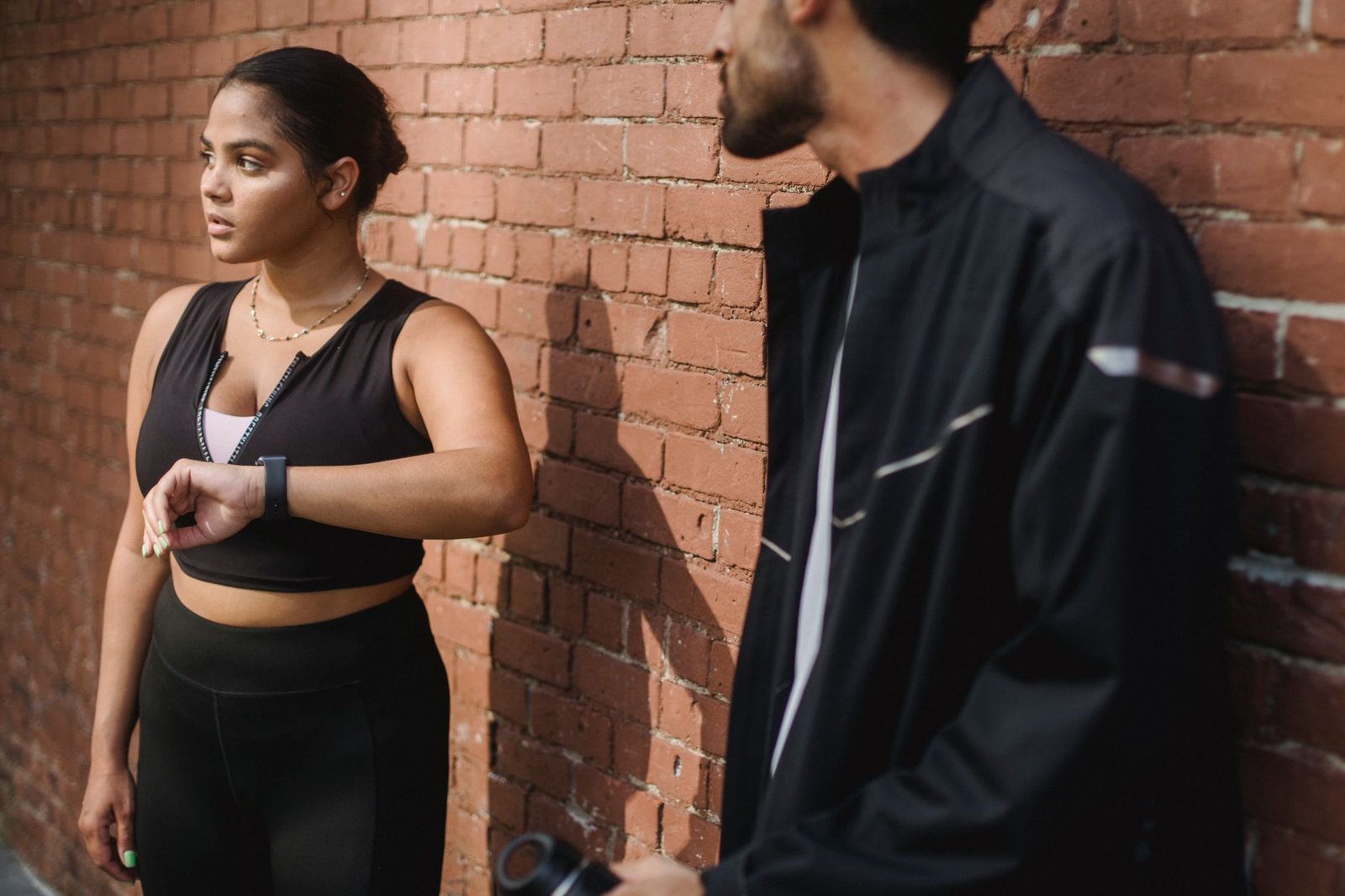
You have probably noticed a shift in the fitness tech world over the last couple of years. The hottest wearables are no longer the big bright screens strapped to your wrist. They are quiet bands with no display, often nothing more than a soft strap with a small sensor pod. The reason is simple. When a device has no screen, it stops fighting for your attention. It can stay on your wrist day and night, through workouts, meetings, showers, and sleep, without begging you to check it. That constant presence is exactly what unlocks the kind of data a serious health routine needs.
Screenless trackers have become a genuinely useful category for anyone who wants recovery, sleep, and strain data without the distraction of a phone on their wrist. The two names you hear most are Whoop, the subscription based pioneer that made the category famous, and Garmin, the veteran hardware company that entered the space in 2026 with its Cirqa smart band. The debate between them is really a question about how you want to pay for health data and what kind of guidance you expect in return. This guide walks through the differences so you can decide which approach fits your goals and your budget.
What a Screenless Tracker Actually Measures
Before you compare brands, it helps to understand what these devices are capturing. A screenless tracker typically measures a small set of core signals that together describe how your body is responding to training and everyday life. The most important are heart rate, heart rate variability, sleep stages, respiratory rate, skin temperature, and movement. From those raw inputs, the software builds a picture of your daily strain, your readiness to train, and the quality of your recovery.
The wearable itself is just the sensor. The real value lives in the algorithms that interpret the data. That is why the brand conversation matters so much. Two bands can collect the same heart rate and deliver very different advice because their underlying models and coaching philosophies are not the same. When you choose a screenless tracker, you are really choosing an analytical engine plus a set of recommendations, not just a piece of hardware.
For most people the appeal is the all day continuous reading. A smartwatch worn for two hours of exercise reveals nothing about the 22 hours that shape your recovery. A band you never take off builds a baseline of your normal sleep, your normal resting heart rate, and your normal stress patterns. Only when the device knows your normal does it become useful at spotting the days when something is off, before you even feel it.
The Subscription Divide: Whoop vs Garmin Cirqa
The clearest difference between the two leaders is not the hardware. It is how you pay for the service. Whoop built its entire business on a membership model. You pay a recurring fee and the tracker itself is effectively included as part of that subscription. The cost of the band is bundled into your membership, and you get the full coaching experience as long as you keep paying. If you stop, the device stops delivering its insights.
Garmin Cirqa took a different path. It launched in 2026 as a device you buy outright, with health and fitness tracking available without a subscription. For people who hate monthly bills or who have watched too many app subscriptions quietly stack up, that is a meaningful difference. You pay once for the hardware and the core tracking belongs to you. That no subscription model is a big part of why Cirqa is often compared directly to Whoop as a rival for everyday health tracking rather than just athletic performance.
There are trade offs either way. A subscription often funds deeper sleep analysis, more frequent algorithm updates, and a richer set of guided content. A purchase plus no monthly fee keeps your long term costs predictable and means you never lose access to your data because a bill lapsed. Neither approach is objectively better. The right choice depends on whether you prefer a lower upfront cost with an ongoing commitment, or a higher upfront cost with nothing due later.
How AI Turns Raw Data Into Useful Advice
What separates a modern screenless tracker from an older fitness band is the machine learning layer that sits on top of the sensor readings. The device collects the raw numbers, but artificial intelligence models organize them into patterns you can actually act on. Instead of showing you a heart rate graph and leaving you to interpret it, the best systems tell you what the pattern means and what to do next that day.
For example, your morning heart rate variability is a strong indicator of how recovered you are. On a day when your HRV sits well below your personal baseline, the software might label you as high strain and suggest an easy session, more sleep, or an extra recovery day. On a day when it trends above normal, it might mark you as ready for a harder workout. Those recommendations come from models that compare you to your own history, not to a generic average, which is what makes them feel personal.
The same logic applies to sleep. Algorithms look at your sleep stages across nights and, when something disrupts them, they try to connect the dots. A poor night after a late meal, a change in alcohol intake, or an unusually hard training day will often show up as a clear pattern. Over weeks, the wearable learns which habits push your recovery down and which ones lift it. That kind of longitudinal insight is hard to get any other way and is the main reason people stay loyal to these devices.
There is an honest caveat here. Algorithm advice is a suggestion, not a medical diagnosis. If your readings look unusual or you feel unwell, a wearable is not a replacement for a doctor. The most sensible users treat it as an early signal that prompts them to check in with how they actually feel and, when something persists, to seek professional advice. Used that way, AI driven guidance is a powerful partner rather than a source of anxiety.
Who Should Choose Each Model
A no subscription screenless tracker like the Cirqa makes the most sense for several kinds of people. If you know you will wear the device every day for years, a one time purchase can save a meaningful amount of money compared with a monthly membership that never ends. Over a couple of years, subscription fees add up quickly, and for the casual to committed trainer who mainly wants core recovery and readiness data, the free model delivers most of the value at a far lower total cost. It is also a strong fit for anyone who has subscription fatigue. Between streaming services, cloud storage, and a dozen apps, another ongoing fee can feel like the last straw. Owning your tracker outright gives you a sense of control. You can pause your routine for a month, travel, or fall out of the habit without paying for a service you are not using. There is real peace of mind in knowing your data does not disappear if you decide to take a break. Families and budget conscious athletes are another group that benefits. If you want to track more than one person, the subscription model multiplies the monthly cost per person. A purchase model lets each person own their device with no recurring bill, which can make the whole household happier while still getting everyone their own personalized data.
On the other side, a membership model remains the better choice for a specific kind of user. If you want the most complete coaching experience, with guided programs, deep sleep science, and frequent feature updates, the continuous subscription model funds that development. Companies that rely on monthly fees have an incentive to keep improving the service because they need to retain members. If you love having the newest insights and are happy to pay for them, that model works in your favor. Committed athletes and people chasing a specific performance goal often get more out of a subscription too. The richer analytics, the strain based training suggestions, and the structured recovery guidance can feel like having a coach in your pocket. For someone training for a race or trying to balance hard training with a demanding career, the extra layer of interpretation is worth the monthly cost. The fee basically buys you a data scientist on your wrist. There is also a psychological angle. When you pay for a software membership, you tend to check it more often and engage with the recommendations, which can keep you consistent. Some people find the financial commitment keeps them honest about their routine. If you are the type who benefits from that gentle daily nudge, the recurring model may actually improve your adherence compared with a device you bought once and slowly stopped wearing.
Common Mistakes When Choosing a Screenless Tracker
Whatever you buy, some mistakes are easy to make. The first is judging a tracker on hardware alone. Since the value lives in the algorithms and the app, do not pick a band just because it looks sleek. Look at the quality of the sleep and recovery insights, how clear the guidance is, and whether the interface feels good to you. A nearly identical sensor pod can deliver a completely different experience depending on the software behind it.
A second mistake is ignoring your own data habits. A screenless tracker only helps if you commit to wearing it almost every hour and syncing regularly. If you plan to take it off for sleep or leave it charging all day, you lose the all day baseline that makes these devices useful. Be realistic about whether you will actually keep it on. The tracker is a tool, and its value is proportional to how consistently you feed it data.
Third, do not get paralysed by a single metric. Too many people chase one number, like a daily HRV target, and feel frustrated when it wobbles. Recovery metrics are meant to be read as trends over weeks, not judged one morning at a time. A single low reading is usually noise. A sustained pattern, combined with how you feel, is what deserves your attention. Keep the big picture in mind and you will avoid the trap of obsessing over a number that changes daily.
Finally, remember that no wearable replaces the fundamentals. Sleep, nutrition, consistent training, and recovery still come first. A tracker gives you feedback, it does not create the habit. The people who get lasting value are the ones who turn the guidance into small actions, like going to bed earlier after a hard day or taking an easy session when readiness is low. Treat the device as a mirror, not a miracle, and it will serve you well.
How to Get the Most Out of Whatever You Choose
Once you have a screenless tracker, a few habits will dramatically improve what you get out of it. Start by wearing it consistently for at least two to three weeks before judging its advice. The models need time to learn your personal baseline, so early recommendations can feel generic. Give the device a fair chance to know you, then adjust your routine based on the patterns that emerge.
Sync your data daily and glance at the readiness or recovery score each morning, but pair it with how you actually feel. The best users develop a routine where they check the score, then decide on the day with a blend of data and intuition. On days when the tracker says you are ready and you feel good, push a little harder. When it flags low recovery and you are tired, give yourself permission to ease off. That balance is the whole game.
Review your weekly and monthly trends rather than fixating on any single day. Look for which habits consistently precede good sleep or strong recovery and which ones reliably hurt it. Over time you will notice your own patterns, the extra late night, the skipped warmup, the unusually stressful week. Adjust one variable at a time and watch how your numbers respond. That is where the real, lasting improvement comes from.
Finally, be clear about why you bought the device in the first place. If your goal is better sleep, steer your attention to sleep data and the habits that improve it. If your goal is smarter training, focus on strain and readiness. A screenless tracker is one of the few tools that can genuinely close the gap between how hard you think you worked and how well your body actually recovered. Used wisely, it is a small device that can nudge your whole routine in a healthier direction.