Why Most People Give Up on Food Logging
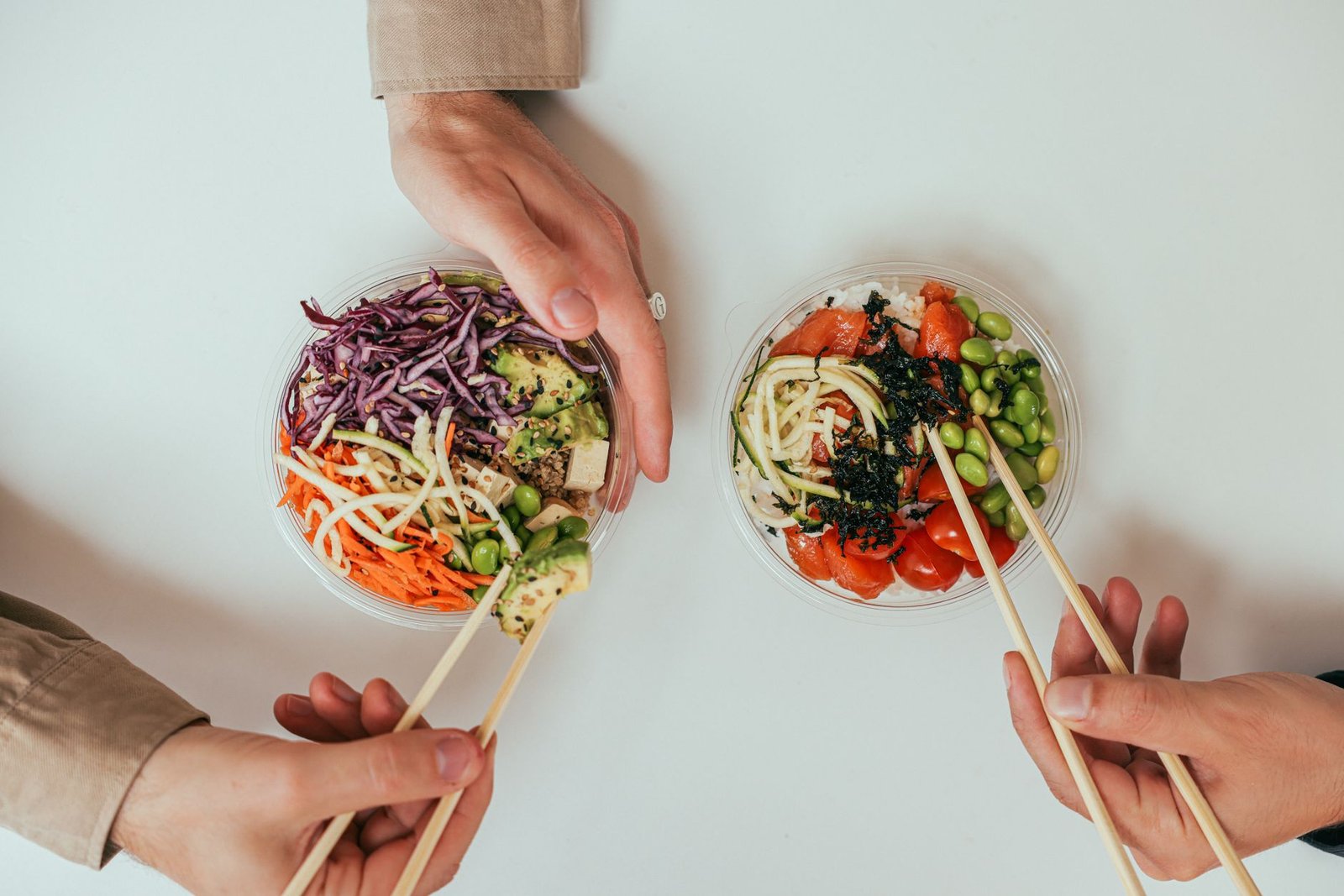
Nearly everyone who has tried to lose weight has downloaded a calorie tracking app at some point. And nearly everyone has abandoned it within a few weeks. The app is not the problem. The system is the problem. Traditional food logging asks you to do the same tedious work every single day: weigh the food, measure the portion, find the right database entry, type in the grams, and check every snack and sauce that crosses your plate. For a single meal that can take five to ten minutes of fiddling. For a full day it adds up to a serious chunk of time that most busy people simply do not have.
That friction is the silent killer of good intentions. When logging feels like a chore, you skip meals, you fudge portions, and you eventually stop logging altogether. The data that could have shown you helpful patterns evaporates. You are left with guilt and a half used app on your home screen. The math of weight management is straightforward, but a perfect calorie record is worthless if you cannot maintain it for more than two weeks.
The good news is that the tooling finally caught up with the goal. Artificial intelligence changed the way food tracking can work by removing the tedious manual steps entirely. Instead of typing, weighing, and searching, you point your phone camera at your plate and let the software figure out what is in front of you. This is the core idea behind the modern AI photo food logger, and it is transforming whether people can actually stick to a nutrition plan in the long term.
How AI Photo Food Logging Really Works
Behind the scenes a photo based food tracker is doing something genuinely modern. When you snap a picture of your meal, the app runs the image through a computer vision model that has been trained on a very large number of food photographs. The model recognizes shapes, colors, textures, and portion cues to identify what is on the plate. A bowl of oatmeal, a chicken breast, a side of greens, a slice of avocado, they all have recognizable visual signatures that the model flags and labels.
Once the foods are identified, a second layer of reasoning estimates quantity. This is where the software estimates portion size from visual cues in the image, the size of the plate, the height of a food pile, and the relative scale of the objects. From the identified foods and the estimated amounts, the app looks up nutrition values for calories, protein, carbohydrates, and fat, then sums them into a single reading for the meal.
The whole flow is meant to take seconds. You take the photo before you eat, the app does its analysis, and you confirm or correct the result with a couple of taps. The days of weighing every ingredient on a kitchen scale before a single bite disappear. The system does not need you to own a food scale, memorize serving sizes, or maintain a personal database of everything you eat.
It is worth being clear about what is happening and what is not happening. The AI is making a statistically grounded guess based on what it has learned from other photos. It is not reading your exact grams with a laboratory instrument. That distinction matters for setting fair expectations, and we will look at accuracy in the next section.
Is Photo Accuracy Good Enough to Trust
The honest answer is that photo based tracking is good, but it is not perfect, and you should use it the way you would use a reliable estimate rather than a lab report. Well built computer vision food apps reach a recognition quality that users generally find impressively close for common meals, especially for single item plates and clearly separated foods. Accuracy drops when the plate is a complicated mix, when foods blend together, when sauces hide what is underneath, or when an unusual homemade dish does not match the training data.
Here is the key insight that changes how you should think about this. Manual logging is also full of error, and most people do not realize how wrong their own manual entries can be. Portion size estimation by eye is notoriously unreliable for most people, and database entries are frequently filled with inaccurate or outdated nutritional values that no one has corrected. So the real comparison is not between a perfect manual record and an imperfect AI guess. It is between a clumsy manual record that people abandon, and a fast AI estimate that people actually keep doing.
A tracking habit that runs for months at roughly the right level beats a meticulous tracking habit that stops after two weeks. If the AI is close most of the time, and you correct the obvious misses with a quick edit, the long term data becomes genuinely useful. The goal is consistent direction, not perfect precision. Know the margin of error and treat every recorded meal as an approximation, and the tool becomes a reliable compass instead of a false promise of exactness.
The Real Cost of Logging and Why Ease Wins
There is a reason every nutrition coach talks about adherence. The best eating plan in the world does you no good if you cannot follow it. And the single strongest predictor of whether you keep logging is how much effort each entry takes. Every extra second of friction raises the chance that you skip a meal log, and skipped logs quickly add up until the entire record becomes guesswork.
Think about the arithmetic of your week. With a manual logger, a three meal day can consume well over half an hour of your attention when you count weighing, searching, and entry. Over seven days that is hours of your life spent on data entry, hours that compete directly with work, family, and actually living. With a photo based system, each meal takes a few seconds, each day a couple of minutes, and the weekly total drops to a small fraction of what it used to be.
That time saving is not a luxury. It is the difference between a system you tolerate and a system you forget you are even running. When tracking stops feeling like a second job, you stop resenting it, and you stop looking for excuses to quit. The result is that you log more meals, you get a more complete picture of your eating, and the app can actually show you the patterns that matter for your goals.
A complete picture is especially valuable because food is only half of the energy equation. Many modern AI fitness apps pair photo food logging with automatic exercise detection, so your daily activity contributes to the same record without a single manual entry. Calories in from the photos, calories out from movement, all visible on one screen with almost no effort from you. That joined up view is what turns a logging app into a real tool for managing your energy balance.
Common Mistakes That Sabotage Photo Logging
Even the easiest tool can be used poorly. Here are the mistakes that quietly ruin results, and how to avoid each one.
- Snapping the photo too late. The software needs a clear, well lit view of the whole plate before you start eating. Taking the photo when half the meal is gone, or in dark restaurant lighting, makes the estimate far less reliable.
- Not correcting obvious errors. A quick review of the AI result takes two seconds. Skipping that final look means the wrong food keeps getting logged with confidence it does not deserve.
- Forgetting the extras. Beverages, sauces, oils, and small bites between meals slip past the camera if you never photograph them. Log the drizzle of olive oil and the handful of nuts, or your total will quietly drift.
- Treating the estimate as gospel. Because the numbers look precise, you may be tempted to trust them exactly. Remember they are estimates and leave yourself room for the margin of error.
- Quitting over one bad day. A single missed photo or a wrong reading is not a failure. Consistency over weeks and months is the whole game, so do not let a rough day tip you out of the habit.
If you avoid these traps, photo logging becomes a dependable daily habit rather than another abandoned attempt.
How to Get the Most From an AI Food Tracker
The tool works best when you give it a fair chance. Start by using it for a full week without judging the numbers too hard, and just get used to the rhythm of photographing every meal. After that first week, look back at the record and let the data teach you things. Which meals are the highest in calories? When do you tend to snack the most? Which foods keep you satisfied for hours versus the ones that leave you hungry quickly? These answered questions are worth more than any daily calorie total.
Use the patterns to make small, sustainable changes. Maybe you notice that your evening snacking spikes right after a breakfast that is too light, so you add protein in the morning. Maybe you discover that a particular meal out is consistently the biggest calorie event of your week, and you decide to order differently or share it. The technology is not there to scold you. It is there to give you clearer information so you can make choices with your eyes open.
Build honest input habits. Photograph your real portion, not a flattering angle. Include the sides and the drinks. Be truthful with the app the way you would be with a good coach, because a distorted record can only produce distorted advice. And remember that tracking should inform your decisions, not control them. If counting calories starts to feel obsessive or stressful, step back, focus on the broader patterns, and let the numbers be a gentle guide rather than a daily verdict.
The Bottom Line on Effortless Calorie Tracking
AI photo food logging has genuinely changed the math of nutrition tracking. By collapsing minutes of tedious entry into seconds of effort, it removes the exact friction that pushed most people away from tracking altogether. The result is a better, more complete record that people can actually maintain for months, which is worth far more than a perfect record that never survives its second week.
If you have tried calorie counting in the past and quit because the logging was too painful, the modern photo based approach is worth another look. The camera in your pocket is now backed by intelligent software that can identify and estimate your meals in seconds, and pair that food data with automatic activity tracking for a whole picture of your energy balance. Set realistic expectations, correct the obvious misses, and focus on long term consistency, and you will have a tool that finally makes this part of your health routine feel easy rather than exhausting.